

By Jennifer Braddock – Editor
You did it. You typed “The End.”
You’ve got a first draft in hand, and now you’re wondering:
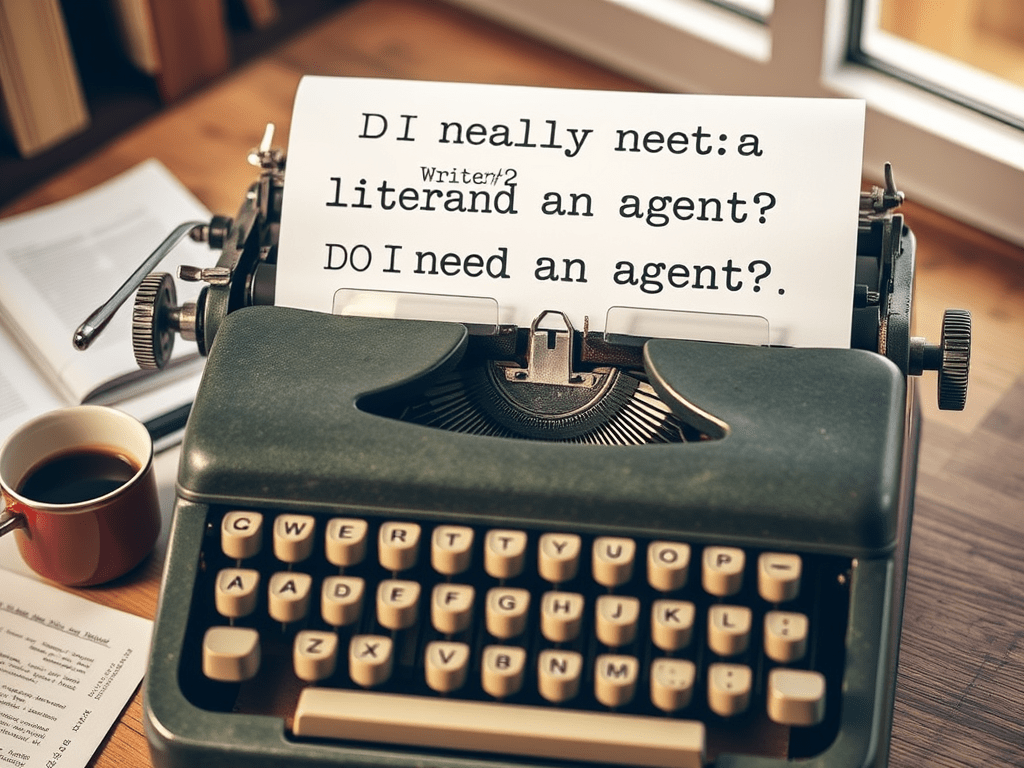
“Should I get an agent?”
Short answer? Not yet.
Longer answer? It’s complicated, and it helps to understand where the agent system even came from.
A Quick History of Literary Agents
Before there were agents, writers represented themselves. Including the famous ones. Louisa May Alcott negotiated her own deals and even pushed back on her publisher’s edits to Little Women. She was savvy. Many weren’t.
In the late 19th and early 20th centuries, publishing became more industrialized. Contracts got more complex. A new type of middleman emerged: the literary agent. Agents originally made their mark by forging relationships with editors. They pitched manuscripts directly. Sometimes they literally walked into newspaper or publisher offices with a carbon copy in hand.
Sounds helpful, right?
Well… yes and no.
Back then, many writers didn’t know how to negotiate for royalties, reprint rights, or foreign editions. Some agents stepped in to protect them.
Others saw opportunity in that vulnerability. They took advantage by pocketing fees. Greedy agents misreported royalties or steered deals that served their own interests.
Watch Elvis (2022) about The King’s relationship with his manipulative agent, Tom Parker (Tom Hanks).
Unlike today, there weren’t many standards or oversight bodies. For many writers, agents were a mysterious and necessary evil.
That legacy still lingers. While most modern agents are ethical professionals, the system remains uneven. Some are career-builders. Some take their cut and are ghosters. A few are still out to take a bite out of a writer’s naivete.
Watch Billy Joel’s recent documentary for his take on an agent who got into his back pocket.
What Does an Agent Do Today?
A reputable agent helps you:
- Polish your manuscript before submission
- Pitch to traditional publishers (especially the Big Five)
- Negotiate advances, royalties, and contract terms
- Sell subsidiary rights (film, foreign, audio)
- Guide your long-term writing career
Here’s the kicker: agents don’t work for you until you sign with them. Even then, you’re partners, not boss-and-employee.
They also work on commission (usually 10% to 15%). If an agent asks you for an upfront fee? That’s a scam. The old predatory spirit still shows up in new forms. Be wary of anything that sounds too good to be true. It’ll probably cost you.
Why You Shouldn’t Query After Just One Draft
Back to your beautiful first draft.
It’s not ready yet, and that’s OK.
Agents aren’t looking for ideas, they want execution. They want the third or fourth draft that’s been revised, workshopped, and proofread.
Submitting too soon is like proposing marriage on the first date. It rarely ends well. Agents want to know what you have next, what are your third and fourth books? They don’t want one-hit wonders, they want sustainability.
Before you query, you should:
- Revise until you’re sick of revising.
- Get feedback from critique partners or beta readers.
- Hire a freelance editor, but be picky. Some are wolves in invoice form.
Do You Even Need an Agent?
Maybe. Maybe not. It depends on your goals.
If you want to publish with one of the Big Five or a major imprint? Yes, you’ll probably need an agent, inless you know an insider or meet the Editor in Chief at a writing conference.
Agents have forged a role and are the gatekeepers. If you’re looking at small presses, hybrid publishing, or self-publishing, probably not.
Publishing is no longer one path. It’s a choose-your-own-adventure. Agents are great allies, but they’re not the only ones who can open doors. You are your story’s best advocate
Keep Writing While You Wait
Querying can take months, and waiting to hear back can be even longer. While you’re waiting and revising, start your next project. Agents love seeing that you’re committed to writing, not just pinning all your hopes on one book.
Your Call to Action
The agent system was born from writers’ need for business help, but came with strings attached. Not all of these strings were good. These days, you can protect yourself by being informed, strategic, and patient.
The more you understand the business side of writing, the less likely you are to get played.
Don’t be in a rush. Hone your book. Do your research. And remember: you are the CEO of your writing career. An agent is a partner, not a savior.
Are you revising? Researching agents? Deciding whether to go indie or traditional? Share your journey in the comments or start a convo with Besty Bot. If this post gave you clarity, pass it on to a fellow writer who’s standing at the same crossroads.
Do you have questions or comments? Ask Besty Bot about the writing craft and how to publish your book with Best Chance Media!
Copy and Share This Post on Your Social Media:
📚Just finished your first draft and wondering if it’s time to get a literary agent? Not so fast.✋ Before you query, know the history behind agents, how they used to work the system, and what new writers still need to watch out for today. Louisa May Alcott represented herself. Should you? Read this before you sign anything. #WritingTips #AmWriting #WriterBeware #LiteraryAgents #FirstDraftDone #PublishingAdvice #WritingCommunity #LouisaMayAlcott #KnowYourWorth #WritersLife #IndieAuthors #QueryTips https://bestchancemedia.org/2025/09/11/when-is-it-time-to-query-a-literary-agent/


Discover more from Best Chance Media
Subscribe to get the latest posts sent to your email.

