Show, Don’t Tell: Unlocking Emotional Depth

By Jennifer Braddock – Editor

You’ve probably heard the advice “show, don’t tell” tossed around in every writing workshop, critique group, or how-to book. If you’re a newer writer, that phrase can feel like a riddle.

  • What does it really mean?
  • They sound like the same thing!
  • When is telling actually okay?

Let’s break it down.


What is “Telling”?

Telling is the act of summarizing a scene, emotion, or action. It’s straightforward and often quick. Think of it like giving the audience a news report.

Telling example:

Maria was nervous about the audition. She didn’t think she was good enough.

The reader gets the information, but there’s no emotional immersion. You’re told what Maria feels, but you don’t feel it alongside her.


What is “Showing”?

Showing brings the reader into the scene with sensory details, action, dialogue, and subtext. It lets readers experience the story.

Showing example:

Brenda clutched the script so tightly her knuckles turned white. She mouthed the lines again, her voice barely a whisper. When the casting assistant called her name, her feet stayed rooted to the floor for half a beat longer than necessary.

You aren’t told she’s nervous, you see it in her actions. Showing invites the reader to infer emotion and meaning through behavior and atmosphere.


So… Is Telling Bad?

No! Telling has its place, especially when you need to move through time quickly, summarize minor events, or create narrative distance. It becomes a problem when it replaces emotional depth or undermines key moments.

Here’s the trick:
Use telling for transitions. Use showing for transformation.


Blending the Two

Good storytelling is a balance of showing and telling. Imagine your manuscript like a film. You don’t need to zoom in on every moment in high-def slow motion. When your character’s heart is breaking, let us feel it. When the villain turns, show us the glint in their eye. When your protagonist is growing, show us the stretch marks of that change.


Let’s Compare – A Scene, Told and Shown

Told:

Jesse was heartbroken when Elena left him. He missed her terribly.

Shown:

Jesse stood in the darkened kitchen, the coffee pot still half-full from the morning she left. He picked up her favorite mug and ran his thumb along the chip at the rim. The silence in the apartment buzzed louder than the refrigerator.

The first version is faster, but emotionally distant. The second immerses you in Jesse’s world. It lets you feel the weight of his grief without ever using the word “heartbroken.”


Your Turn – Take Action

The next time you revise a scene, ask yourself:

  • Am I showing emotion, or just labeling it?
  • Can I replace a summary sentence with a sensory detail, action, or snippet of dialogue?
  • Where does telling help with pacing, and where does it steal emotional resonance?

Writing isn’t about choosing one over the other. It’s about mastering both.

Your challenge:
Take one paragraph from your current draft. Identify where you’re telling. Then rewrite it to show. Feel the difference. See how your story comes alive.

You’ve got this. Your readers don’t want to be told how your character feels, they want to feel it with them.


Final Word

Showing is where your story breathes. Telling is how it moves. Together, they give your narrative rhythm, shape, and soul. Mastering the difference is what turns decent prose into unforgettable fiction.

Now go show us something we can’t forget.

Do you have questions or comments? Ask Besty Bot about the writing craft and how to publish your book with Best Chance Media!

Show, don’t tell” is great advice—but what does it really mean? And when is telling okay? Learn how to balance both, with examples and a challenge to improve your next scene.

https://bestchancemedia.org/2025/02/12/show-dont-tell-unlocking-emotional-depth/
#ShowDontTell #WritingTips #AmWriting #WritersLife

Mastering Third-Person Limited POV in Fiction

You’re not in their head, but you’re definitely looking over their shoulder.

By Jennifer Braddock – Editor

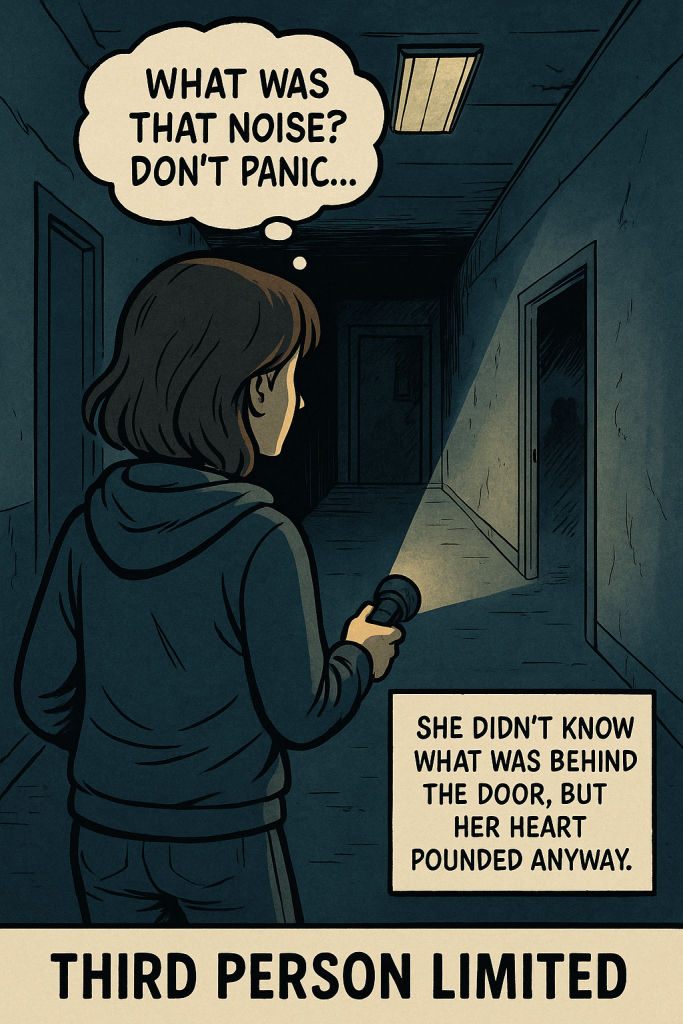
If First Person POV is “I saw the ghost,” Omniscient is “Everyone saw the ghost.” They all had strong opinions about it. Third-Person Limited is “She saw the ghost,” and regretted reading the Latin inscription aloud.

This point of view allows you to explore one character’s experience deeply. You don’t need to commit to writing as if you are them. It’s flexible, intimate, and very popular in modern fiction, especially YA, thrillers, and literary fiction.


Definition:

Third Person Limited tells the story from an outside narrator’s perspective. It uses third-person pronouns (he, she, they). However, it is limited to the thoughts, perceptions, and knowledge of one character at a time. You’re the camera, but the lens is glued to their shoulder. The POV is best for:

  • Character-driven stories
  • Genre fiction (fantasy, romance, mystery)
  • Readers who want emotional immersion without full-on “I” narration

What Makes It Work:

  • Focused insight into a single character’s thoughts and feelings.
  • Suspense through selective revelation. Readers only know what the character knows.
  • Empathy without total immersion. You can still write in your voice while exploring theirs.
  • Flexibility to shift to other characters in different chapters or scenes. You must stay consistent within a scene.

Golden Rule of Limited:

Stick with your character’s brain. No head-hopping allowed. If you’re in Olivia’s POV, you can’t say what Jack is thinking. You can only state what Olivia guesses he’s thinking. She might be wrong, and that can be fun to play with.

  • Bad: Jack looked angry. He wanted to tell her everything, but couldn’t. (How would Olivia know that?)
  • Better: Jack looked angry. Olivia wondered if he wanted to tell her something, but his jaw stayed tight. (Much better, we’re in her head, not his.) Internal thoughts are often italicized or made clear with free indirect style: Why was he lying? He didn’t even flinch.

Already writing in First Person and want more flexibility? Third Person Limited lets you but zoom out just enough to expand the world a little. It’s like switching from GoPro to a handheld Digital Single Lens Reflex camera.

Next time, we’ll get godlike with Third Person Omniscient. We will explore what happens when the narrator knows everything. This includes the stuff the characters don’t want revealed.

Do you have questions or comments? Ask Besty Bot about the writing craft and how to publish your book with Best Chance Media!

Copy and Share This Post on Your Social Media:

🧠 Third Person Limited = in their mind, not in their mouth. A great POV when you want depth without diary entries. #POVWriting #WritersCommunity #ThirdPersonLimited https://bestchancemedia.org/2026/01/29/mastering-third-person-limited-pov-in-fiction/

Vanity Publisher Red Flags You Must Know

By Jennifer Braddock – Editor

You finished your manuscript, and now you’re dreaming of holding your book in your hands. You are just starting to explore publishing. Suddenly, a “publisher” offers you a deal. It sounds too good to be true.

Spoiler alert: it probably is.

The Vanity Press Trap:
Vanity presses prey on your vanity, excitement, and lack of experience. They promise to publish your book for a fee. Traditional publishers pay you and invest in your book’s success. In contrast, vanity presses make their money from you, not for you.

The Typical Vanity Scheme:

  • They flatter your work: “Your book is exactly what we’re looking for!” even if they haven’t read it.
  • They ask for upfront money: Watch out for editing, design, marketing, and distribution discount packages.
  • They overcharge: Don’t fall for their one-stop shop approach for services you could get cheaper elsewhere (e.g., $4,500 for a cover design you could get for $450).
  • They upsell relentlessly: Pay-as-you-go pricing promises things like “Hollywood film options,” “bestseller campaigns,” or “celebrity endorsements.”
  • They retain your rights: Number one criterion for any publishing contract? Retain your book rights. Be sure any rights you cede revert back to you after the contract expires.

Watch for Red Flags:

  • Vague promises or guaranteed success
  • High-pressure sales tactics
  • Unclear or hidden fees
  • They’re listed on Writer Beware, ALLi’s Watchdog Desk, or Predators & Editors

What to Do Instead:

  • Research publishers and agents: Use reputable databases like QueryTracker or Manuscript Wish List.
  • Join writing communities: Get real feedback from other authors who’ve been phished by unscrupulous vanity presses.
  • Consider hybrid publishing carefully: Some are legitimate, but vet them as you would a contractor or a surgeon.
  • Self-publish on your own terms: You keep creative control, and with platforms like IngramSpark or Amazon KDP, you don’t have to go broke.
  • Read contracts: Be careful and pay attention to the details. Hire someone who knows about contracts. Best Chance Media offers some legal tips to get you started with the basics.

Closing Thought and Call to Action:

Thinking of publishing? Do you have a contract or offer you want to vet? Start a conversation with Best Chance Bot. Let’s make sure your dream book doesn’t turn into a costly lesson.

Do you have questions or comments? Ask Besty Bot about the writing craft and how to publish your book with Best Chance Media!

Copy and Share this Post on Your Social Media

💸 New writers: If a “publisher” wants you to pay them, it’s not a deal, it’s a SCAM.
Don’t let flattery cost you thousands. Learn how to spot vanity press red flags and protect your work. #WritingCommunity #AmWriting #IndieAuthors #WritersBeware #SelfPublishing #VanityPress #WriterTips #PublishingScams #AuthorLife #ScamAlert #KnowYourWorth 👇
https://bestchancemedia.org/2025/01/23/avoiding-the-vanity-trap-how-new-writers-can-steer-clear-of-publishing-scams/

Mastering Narrative: Choosing Your Point of View

By Jennifer Braddock – Editor

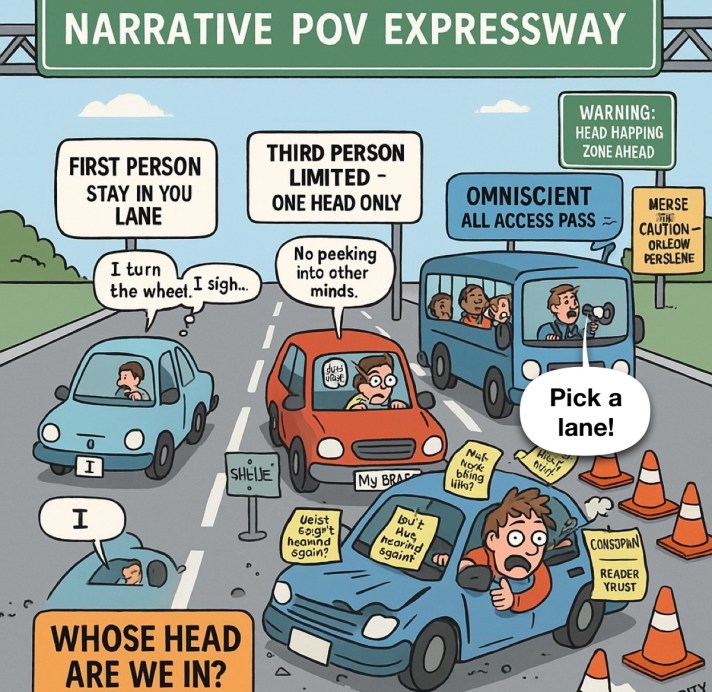
Have you ever been on a road trip where the front seat passenger grabs the wheel? Someone else keeps changing the music. Meanwhile, your pal in the back seat won’t stop criticizing your every turn.

That’s what it feels like when a story hops from one Point of View (POV) to another without a license. Before you take your reader on a narrative joyride, let’s make sure you know who’s driving.

Here’s a breakdown of the most commercially successful, tried-and-true storytelling POV vehicles that publishers and readers love most.

First Person (I, me, my)

Definition: The narrator is the main character, telling the story directly to the reader.
Example: The Catcher in the Rye
Why It Sells: Instant intimacy. We feel like we’re inside the narrator’s brain.
Rules of the Road:

  • Stay in one character’s head per scene, preferably for the entire book.
  • Filter everything through their thoughts, senses, and voice.
  • Avoid describing things your narrator couldn’t possibly know (e.g., what someone else is thinking).
    Bonus Tip: Voice is everything. Even the way they describe the weather should tell us something about them.

Third Person Limited (he, she, they, filtered through one character)

Definition: The narrator is not a character but sticks closely to one of the character’s internal world per scene.
Example: The Da Vinci Code
Why It Sells: It gives the closeness of the first person. It also provides the flexibility to explore scenes your protagonist might not witness.
Rules of the Road:

  • Each scene sticks with one character’s experiences.
  • Use their language and emotional filter when describing the world.
  • Don’t head-hop. Sudden shifts in perspective confuse readers and break trust.

Third Person Omniscient (he, she, they from a godlike narrator’s POV)

Definition: The narrator knows everything and can go into any character’s thoughts, switch locations, and even comment on the story.
Example: Pride and Prejudice
Why It Sells (when done well): Epic scale, sweeping story lines, and a sense of authority.
Rules of the Road:

  • The narrator can dip in and out of minds, but does so with intention and clarity.
  • Don’t confuse omniscience with chaos. Thought transitions should be smooth and purposeful.
  • Voice matters: your narrator should have their own tone or personality.

Second Person (you, your)

Example: Choose Your Own Adventure books
Why It Sells (rarely): When it works, it’s immersive and experimental. When it doesn’t, it’s weird.
Rules of the Road:

  • Be clear who “you” is: the reader, a character, or an implied role.
  • Works best in short doses or highly stylized narratives.
  • Most traditional publishers don’t go for second person unless it’s very well done.

POV Tips

  • Be consistent. Don’t switch POVs mid-paragraph (or mid-sentence unless you’re very good).
  • Establish POV early. Don’t make your reader guess who’s talking or thinking.
  • Change scenes to change heads. If your story uses multiple POVs, give each character their own scene or chapter.
  • Don’t be a mind reader. If your POV character doesn’t know something, neither should the reader.

Choosing a point of view isn’t just about grammar. It’s about control. Like a magician’s sleight of hand, your POV determines what the reader sees, hears, and feels. Before you commit to first, third, or that odd duck known as second person, think carefully. Ask yourself: Whose head am I entering?

Next up: A deeper dive into each POV. We will provide examples and discuss pros and cons. You’ll learn how to know which one is right for your story.


Do you have questions or comments? Ask Besty Bot about the writing craft and how to publish your book with Best Chance Media!

Copy and Paste This on Your Social Media:

🧠 Whose head are we in, anyway? First person, third person limited, omniscient, second person (wait, what?). Your story’s point of view can make or break the reader’s experience. 🚫 No more accidental head-hopping! Learn the most commercially successful POVs and how to wield them like a pro. ✍️ Your narrator’s waiting. Choose wisely. #WhoseHeadAreWeIn
#WritingTips #POVMatters #AmWritingFiction #WritersOfInstagram #StorytellingSkills #HeadHopHorrors #WritingCraft #IndieAuthorTips 🔗 https://bestchancemedia.org/2026/01/15/mastering-narrative-choosing-your-point-of-view/

← Back

Thank you for your response. ✨

How to Safeguard Your Manuscript from Theft

By Jennifer Braddock – Editor

Every new writer has that one fear: What if someone steals my story? You’ve poured your soul into your manuscript.

The idea of someone swiping it and cashing in is the stuff of literary nightmares.

Take a breath. The good news? You have more protections than you think, and they’re easier to access than you realize.

Ways Writers Can Protect Their Work:

  • Copyright Automatically Applies: The moment you put your story into a fixed form, like typing it in a document, saved in the cloud, or printed out, it’s automatically protected by copyright law. You own it, even if you haven’t registered it.
  • Register with the U.S. Copyright Office: While copyright is automatic, registration adds teeth. It gives you the right to sue for statutory damages and attorney’s fees if someone actually does steal your work. It’s cheap insurance, about $45 to $65 to register online at copyright.gov.
  • Keep Good Records
    Save dated drafts, emails to critique partners, and notes to yourself. Metadata and timestamps can be useful evidence of originality and creation dates.
  • Use Trusted Sharing Platforms
    If you’re sharing with beta readers or critique groups, choose platforms with built-in version tracking. Google Docs or Dropbox are good options. If you’re really concerned, ask your readers to sign a simple non-disclosure agreement (NDA). This isn’t common in most writing circles.

Myths to Avoid:

  • Poor Person’s Copyright: Mailing your manuscript to yourself is outdated and largely useless in court.
  • Someone Will Steal It Just Because You Shared It: In reality, theft of unpublished stories is incredibly rare. It’s good to have confidence that you have a great story. Most professionals have enough ideas and are too busy creating their own work to bother with stealing yours.
  • Your story deserves to be heard and not hoarded: Equip yourself with the facts, take a few simple steps, and then speak up boldly. After all, the bigger risk isn’t theft, it’s never letting anyone read your work at all out of fear.

Your Call to Action:

Ready to protect your writing and publish with confidence? Share this post with your writing group and check out our guide to registering your first copyright step-by-step.

Do you have questions or comments? Ask Besty Bot about the writing craft and how to publish your book with Best Chance Media!

Copy and Share This Post on Your Social Media:

💡Worried about your story getting stolen? Learn how to protect your work, what counts as first publication, and why fear shouldn’t stop you from sharing. #WritingTips #Copyright #AmWriting #IndieAuthors #WritersCommunity https://bestchancemedia.org/2025/01/09/how-to-safeguard-your-manuscript-from-theft/

← Back

Thank you for your response. ✨

Stop Waiting for Perfection: Embrace Messiness

By Jennifer Braddock, Editor

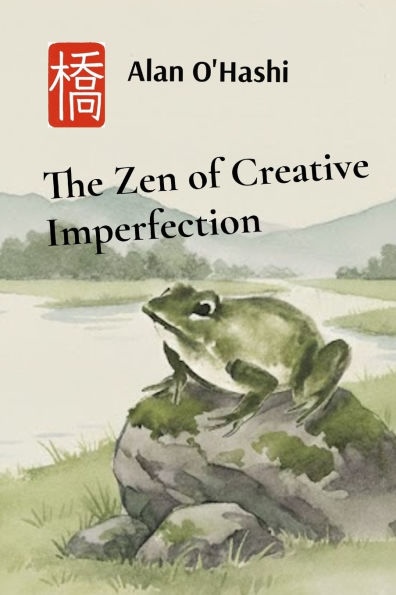
Rooted in Zen principles, yet crafted for modern lives, the book invites readers to loosen their grip on flawless outcomes.

It encourages rediscovering the value of process, presence, and incremental growth. It’s a book about creativity and also about sanity.

This book doesn’t ask readers to overhaul their lives all at once. It asks them to make small, intentional shifts. There’s a practice known as kaizen, which is continuous improvement without self-judgment. The Zen of Creative Imperfection speaks to that moment with clarity and calm.

If my keyboard charged me a dollar every time I backspaced, I could’ve funded my own book tour by now. I’ve rewritten this sentence nine times already.

Guess what? It’s still not perfect, but here it is. I hit “submit” anyway.

It’s the beginning of a new year, and what can you do to keep on your writing journey? Did you put off your creative projects because you were too busy?

You might think your first draft should read like a Pulitzer winner. I get it. We want to be the genius who shows brilliance from the start. It’s like Mozart composing symphonies without a single missed note.

We’re not Mozart. We’re more like that raccoon with the cotton candy. He tried to wash it and watched it dissolve in sad confusion. That’s our writing process when perfection gets in the way.

The pursuit of perfection is a fancy form of fear. Fear of judgment. Fear of being “found out.” Fear that if you reveal your typos, rough metaphors, and imperfect logic, people will see who you really are.

Spoiler alert: they already do.

Your obsession with perfection isn’t making your work better. It’s making it slower. That sparkling first sentence? It can’t carry the whole novel. That brilliant first paragraph? It will get cut in draft three anyway. Meanwhile, the story that wants to be told is stuck in limbo while you try to polish your outline’s fingernails.

What Zen Says: Zen doesn’t care about your perfect first draft.

Zen says: “Before enlightenment, harvest rice, carry water. After enlightenment, harvest rice, carry water.”
Translation for writers: Before writing a bestseller, write messy. After your best seller, still write messy.

Perfection is an illusion. Imperfection is reality. Zen embraces impermanence, the incomplete, the irregular. Ever seen a raked Zen garden? It’s full of swirls and randomness. That’s your draft.

Doubt is natural. Perfection is optional. Progress is sacred.

There’s no need to sit in silence on a mountain top: What if your writing isn’t perfect? Neither are your socks, and you still wear those. Let go of perfection. Let go of doubt.

Adopt a little Zen and just keep writing. Finish the page. Finish the chapter. Finish the dang thing. Then bow to your draft and whisper:

“Thank you for being gloriously, usefully, and beautifully imperfect.”

Do you have questions or comments? Ask Besty Bot about the writing craft and how to publish your book with Best Chance Media!

Copy and Paste This Post on Your Social Media:

Zen says, “Let go.” Your inner critic says, Rewrite that sentence for the 19th time.” Guess who’s slowing you down? Perfectionism is just fear in a fancy outfit. Want to actually finish your book? Embrace the mess. Your first draft isn’t meant to be perfect—it’s meant to exist. 🧘‍♀️ Breathe. Write. Let go. #WritingCommunity #AmWriting #FirstDrafts #Perfectionism #WritersLife #ZenWriting #CreativeProcess #LetItBeMessy #WriteAnyway #FinishTheBook https://bestchancemedia.org/2026/01/01/perfection-slows-you-down-and-everyone-knows-youre-not-perfect-anyway/


← Back

Thank you for your response. ✨

Finding Balance: Zen and Creativity for Success

If you watch the news for more than ten minutes, it’s easy to believe the world is unraveling. You might feel that you’re already behind. Behind in your career. Behind in your art. Behind in becoming the person you thought you’d be by now.

I wrote a book, “The Zen of Creative Imperfection.Zen offers a different starting point. Zen doesn’t ask us to stop striving. It asks us to stop strangling ourselves with the idea of perfection while we strive.

Creative imperfection is a point of entry. One of the quiet gifts of Zen thinking is the idea of showing up fully without clinging to outcomes.

In creative work, this means writing the imperfect draft. It involves painting the awkward first layer and launching the idea before it feels bulletproof.

In the workplace, that might mean, rather than staying home when you’re sick, you come in because you think others will respect you more.

Perfection is rigid. Zen is fluid.

When we let go of the need for everything to be finished, stress loosens its grip before it’s shared. We release the urge to have things polished and approved. We no longer create to avoid failure, but use failures to explore. Ironically, this is often when our best work appears.

Climbing to the top requires managing tension, balance, and breath. It also needs the willingness to take the next step without knowing the entire path.

Imperfection makes you stronger by teaching you resilience. Each misstep becomes information, not indictment or punishment. When we internalize this, creative stress transforms into creative energy. We no longer ask, “Is this good enough? and start asking, “What does this want to become next?

Progress That Calms the Mind

Kaizen is a continuous, incremental improvement that relieves the pressure of getting it “right” all at once. Instead of demanding a masterpiece, kaizen asks for a one-percent improvement today. Then another tomorrow.

Perfection shouts. Kaizen whispers.

In creative practice, kaizen might look like:

  • Writing 300 honest words instead of waiting for the perfect chapter.
  • Practicing one difficult passage instead of the whole piece.

In the workplace, the kaizen approach might be:

  • Learning what your customers think, rather than coming up with a solution first.
  • Incrementally completing a project instead of falling behind on the assignment.

Kaizen soothes the nervous system by giving us permission to move forward without self-judgment. Over time, those small improvements compound into mastery without burnout.

Becoming Whole-Brain Thinkers

As we move into 2026 and beyond, the world is asking more of us. We’re navigating rapid technological change, cultural complexity, and a nation that will become majority-minority by 2045. That reality calls for thinkers who are analytical and intuitive, structured and empathetic.

Zen doesn’t favor the left brain or the right brain. It integrates them.

Creativity without discipline drifts. Discipline without creativity freezes. The future belongs to people who can analyze data. They must also read a room. These people build systems and tell stories. They innovate without losing their humanity.

Creative imperfection allows that integration. It keeps us curious rather than defensive, adaptive rather than brittle.

The Calm Path Upward

Zen redefines success so it doesn’t cost us our peace.

You can still aim high.
You can still climb.
You can still want more.

You don’t have to punish yourself on the way up.

Creative imperfection is guided by Zen and softened by kaizen. It reminds us that growth doesn’t have to be violent to be powerful. Sometimes the strongest progress happens quietly, one imperfect step at a time.

That, paradoxically, is how we become our best.

Leave a comment

← Back

Thank you for your response. ✨

Embracing Your Truth: The Art of Memoir Writing

When you sit down to write about your life, you might wonder: Is this a biography or a memoir?

The difference is more than just page count. A biography tells the full sweep of a life from birth to death, often told chronologically, fact-checked, and complete. A memoir, on the other hand, zooms in on a particular slice of your life. It explores a theme or thread that connects the moments you choose to share.

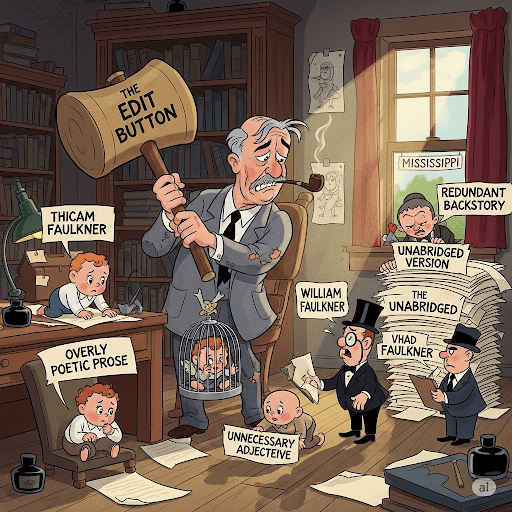
Here’s the thing: you can have more than one memoir. William Faulkner’s oft-quoted advice to “kill your darlings” means you must be willing to cut the parts of your work. These may be parts you personally love the most. As a writer, this can be challenging.

You need to be ready to remove these elements. They could be a clever phrase or a beautifully crafted sentence. Sometimes, it’s even an entire subplot. Remove them if they don’t serve the story as a whole.

The “darlings” are those bits you’re emotionally attached to, but which distract, slow down, or confuse the reader. Faulkner’s point is that good writing is about clarity. It is also about cohesion and the reader’s experience. It is not about the writer’s sentimental attachment to certain lines.

Your darlings may not be needed now, but stash them in the basement for your next project. Larry David and Woody Allen keep notebooks with sentences they overhear or incidents they experience for future reference.

Write freely, but edit ruthlessly. If it doesn’t serve the story, let it go. Rather than “kill your darlings,” keep nurturing them in the guest room until they become relevant for another story.

Life is made of many threads. I wrote Beyond Heart Mountain. It started as a newspaper column. The column was about the lingering shadow of subtle and overt racism toward Japanese Americans after Pearl Harbor. Those echoes have shaped me to this day.

I also wrote A Twinkle at the End. It’s my story of rising from the deathbed. I weave that experience into my decades of navigating the health care system.

Different slices, different truths, both memoirs.

The story in Beyond Heart Mountain began as deeply personal. I realized my experiences weren’t mine alone. I aimed to make my personal story useful to people. I placed it into a broader social context. I hoped this would make it relatable to the general public.

Same with A Twinkle at the End. Many people have faced death in a hospital. I chose to incorporate that experience into my perspectives on health care, which is an important topic these days.

I was offered a publishing contract for Beyond Heart Mountain after my first pitch. That strange sequence of events planted the seeds for a third memoir. The Zen of Creative Imperfection is about my unorthodox writing journey. I’ll update that book with all these stories about the writing craft I’ve been composing.

You are thinking about writing a memoir or trying to write one. If you find yourself stuck or avoiding it because vacuuming is more important, you are dodging your truth. I wrote about this in my post on knowing yourself and Ernest Hemingway’s “one true sentence.” Your job is to tell the clearest, most honest thing you can. Do this one line at a time.

The beauty of memoir is that it doesn’t require you to tell everything. It only requires you to share the truth of what you choose. You can focus on the moments that matter most. These moments illuminate both your life and a universal human experience.

Resurrect your cast-off darlings for another memoir.

If your story’s been knocking on the door of your mind, answer it. Put down the remote. Get off the couch. Write that one true sentence, and the rest will follow.

Do you have questions or comments? Ask Besty Bot about the writing craft and how to publish your book with Best Chance Media!

← Back

Thank you for your response. ✨

Turning Rejection into a Book Deal

By Jennifer Braddock – Editor

I received my first rejection letter in 1987. It was polite. The envelope looked steam-opened. Whoever did it wasn’t even that curious.

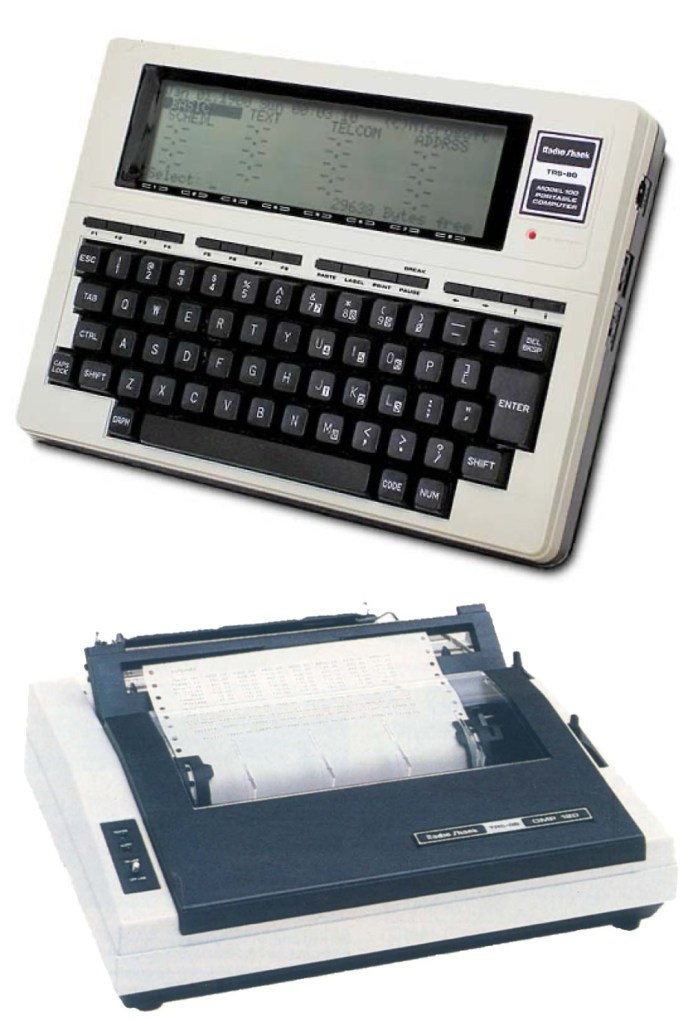
My manuscript? Printed on a dot matrix printer from a Tandy TRS-80 Model 1 back when computers sounded like dial-up demons.

My rejected pages went into a box filled with high school trophies, college memorabilia, and expired dreams.


Fast forward a few decades. Before I attended the 2019 Wyoming Writers, Inc. conference in Laramie, that rejection was still my only one. I know, it’s a unicorn story, but stick with me.

Back in the day, my Uncle Jake ran Pioneer Printing in Cheyenne. I edited Wyoming Graffiti, an anthology of newspaper columns I’d written about Wyoming and its culture. The writings included a piece titled, Beyond Heart Mountain. It was about a Japanese American woman I met on a plane from Denver to Riverton. She was interned at the Heart Mountain camp and was flying to Worland for a family get-together. It was also a throwback to my childhood growing up in the once-vibrant Japanese neighborhood of my hometown.

Years passed. Life happened. Then, I watched a local TV interview about the Japanese community in Cheyenne nudged my memory. I dusted off those old essays. They still held power.

At the WWI conference, I pitched the idea to Wintergoose Publishing. Not only did they not reject it—they accepted it on the spot. I wrote 80,000 words by October and had a contract in November.

I’ll be the first to say that this is not the norm.

Writers in online groups talk about 60, 70, 100+ rejections. Publishing can feel like playing whack-a-mole in the dark. So how do you increase your odds of success?

Put yourself in positions to succeed: Writing is solitary, but success isn’t. Go to readings. Attend writing conferences (especially ones with pitch sessions). Show up at art events, gallery openings, and open mics. Say “yes” more often. Relationships matter. Sometimes more than the perfect manuscript. People remember people.

Your odds improve when people can connect your face to your voice, and your voice to your work.

Get off the couch: Dig out your dot matrix pages. Check your iPhone Notes app scribbles. Look at your coffee-stained drafts—and get out of the house. You’re not just building a book. You’re building a network, a reputation, and maybe, if you’re lucky, a “yes” that changes everything. Rejection isn’t the end. It’s just a reroute. Success doesn’t always knock. Sometimes you have to knock first.

Get writing. Get pitching. Get out there.

Do you have questions or comments? Ask Besty Bot about the writing craft and how to publish your book with Best Chance Media!

Copy and Share This Post on Your Social Media:

📚 My first rejection? 1987. The manuscript typed on a TRS-80 and printed on a dot matrix printer. It took hours to print. Brutal. Fast forward to 2019: I pitched my old idea at a writing conference. I landed a book deal on the spot. 💡 Writing doesn’t happen in a vacuum. Show up. Speak up. Pitch your story. 📦 That box of dusty pages? It might just be your next book. #WritersLife #RejectionToRedemption #WritingCommunity #PitchToPublish #WritersConference #KeepWriting #AuthorJourney #WyomingWriters #AmWriting #NetworkingMatters #WriteYourStory #BookDealDreams https://bestchancemedia.org/2025/12/18/from-a-dot-matrix-manuscript-to-book-deal-how-i-turned-rejection-into-redemption/

← Back

Thank you for your response. ✨

Maximize Earnings with Best Chance Media’s Revenue-Sharing Approach

Author Compensation with Best Chance

By Alan O’Hashi – Publisher

Best Chance Media’s compensation isn’t royalty-based. Big traditional publishing houses are happy to pay a celebrity an upfront royalty advance. They bet that a big name will sell books.

A small press like Best Chance works with indie writers and operates on a revenue-sharing model, and that’s a good thing. In most cases, advances are simply loans against future sales. If your book doesn’t “earn out,” the publisher sees it as a financial liability. They may stop putting effort into promotion. They might even drop the title entirely.

At Best Chance, your book is never treated like a liability. Instead, you start earning real money from the very first sale. Here’s how it works:

  • 40% discount for authors to buy their own books.
  • 50% of every sale Best Chance makes goes directly to the author.
  • Quarterly payments are deposited into your account.
  • You always own the copyright.

Best Chance will send your quarterly payments via PayPal. Once your book is selected, you’ll be asked to set up direct deposit for remittance by linking your bank account to your PayPal account through the online dashboard or the PayPal app on your phone. Payments totaling at least $10.00 will be transferred quarterly. Any amount less than $10.00 will roll over until the minimum threshold is met.

If this compensation formula seems fair to you, and you meet all the requirements, submit your manuscript:

SUBMISSION FORM

It may take BCM up to a month to accept or refuse your submission. If you have questions, ask Besty Bot. We’re here to provide you with the right information.

Copy and Share this Post on Your Social Media

📚✨ Got a manuscript ready to share with the world? Best Chance is looking for fresh voices and bold stories. No agents. No gatekeepers. Just YOU and your book. 💡✍️ 🚀 Submit today and keep your copyright, earn 50% of every sale, and start your author journey with a team that values your work! 👉 Your story deserves its best chance. #WritersOfInstagram #IndieAuthors #AmWriting #AuthorsLife #BookCommunity #PublishingJourney #WriteYourStory #BestChanceMedia https://bestchancemedia.org/2025/12/11/beyond-the-obstacle/

← Back

Thank you for your response. ✨