Turning Rejection into a Book Deal

By Jennifer Braddock – Editor

I received my first rejection letter in 1987. It was polite. The envelope looked steam-opened. Whoever did it wasn’t even that curious.
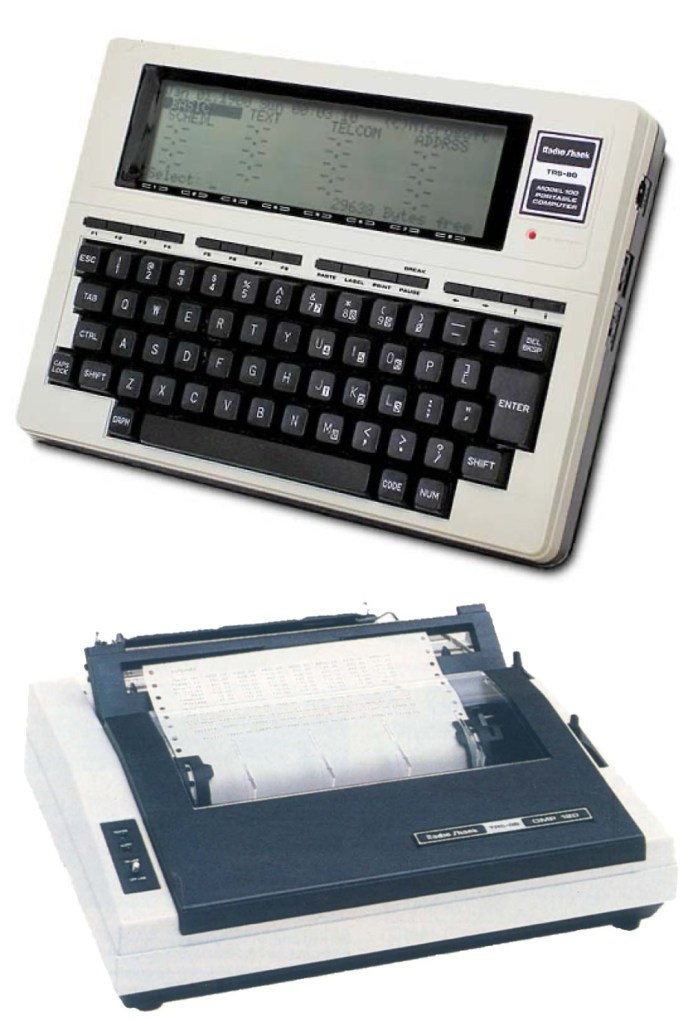
My manuscript? Printed on a dot matrix printer from a Tandy TRS-80 Model 1 back when computers sounded like dial-up demons.

My rejected pages went into a box filled with high school trophies, college memorabilia, and expired dreams.


Fast forward a few decades. Before I attended the 2019 Wyoming Writers, Inc. conference in Laramie, that rejection was still my only one. I know, it’s a unicorn story, but stick with me.

Back in the day, my Uncle Jake ran Pioneer Printing in Cheyenne. I edited Wyoming Graffiti, an anthology of newspaper columns I’d written about Wyoming and its culture. The writings included a piece titled, Beyond Heart Mountain. It was about a Japanese American woman I met on a plane from Denver to Riverton. She was interned at the Heart Mountain camp and was flying to Worland for a family get-together. It was also a throwback to my childhood growing up in the once-vibrant Japanese neighborhood of my hometown.

Years passed. Life happened. Then, I watched a local TV interview about the Japanese community in Cheyenne nudged my memory. I dusted off those old essays. They still held power.

At the WWI conference, I pitched the idea to Wintergoose Publishing. Not only did they not reject it—they accepted it on the spot. I wrote 80,000 words by October and had a contract in November.

I’ll be the first to say that this is not the norm.

Writers in online groups talk about 60, 70, 100+ rejections. Publishing can feel like playing whack-a-mole in the dark. So how do you increase your odds of success?

Put yourself in positions to succeed: Writing is solitary, but success isn’t. Go to readings. Attend writing conferences (especially ones with pitch sessions). Show up at art events, gallery openings, and open mics. Say “yes” more often. Relationships matter. Sometimes more than the perfect manuscript. People remember people.

Your odds improve when people can connect your face to your voice, and your voice to your work.

Get off the couch: Dig out your dot matrix pages. Check your iPhone Notes app scribbles. Look at your coffee-stained drafts—and get out of the house. You’re not just building a book. You’re building a network, a reputation, and maybe, if you’re lucky, a “yes” that changes everything. Rejection isn’t the end. It’s just a reroute. Success doesn’t always knock. Sometimes you have to knock first.

Get writing. Get pitching. Get out there.

Do you have questions or comments? Ask Besty Bot about the writing craft and how to publish your book with Best Chance Media!

Copy and Share This Post on Your Social Media:

📚 My first rejection? 1987. The manuscript typed on a TRS-80 and printed on a dot matrix printer. It took hours to print. Brutal. Fast forward to 2019: I pitched my old idea at a writing conference. I landed a book deal on the spot. 💡 Writing doesn’t happen in a vacuum. Show up. Speak up. Pitch your story. 📦 That box of dusty pages? It might just be your next book. #WritersLife #RejectionToRedemption #WritingCommunity #PitchToPublish #WritersConference #KeepWriting #AuthorJourney #WyomingWriters #AmWriting #NetworkingMatters #WriteYourStory #BookDealDreams https://bestchancemedia.org/2025/12/18/from-a-dot-matrix-manuscript-to-book-deal-how-i-turned-rejection-into-redemption/

Go back

Your message has been sent

Warning
Warning
Warning
Warning.

The Ultimate Guide to Successful Book Readings and Signings

By Jennifer Braddock – Editor

Your book is out in the world. Congrats, and now what? Have you dreamed of sitting at a table signing books like a literary rockstar? In that case, book readings and signings are the next logical step.

You also dream of reading your favorite passage in a hushed indie bookstore. But are they worth it? And how do you even set one up? Regardless, invite 100 of your closest friends.

Let’s break it down.

Pros of Book Readings & Signings

  • Face-to-Face Connection: Meeting readers in person can be deeply meaningful. It turns your name into a human being instead of just text on a cover.
  • Book Sales & Buzz: Yes, people do buy books at events. Even better, they post photos and tag you, giving your book legs on social media.
  • Bookstore Cold Sales: If you set up at your local bookstore. The store may buy six of your books to sell and a table. You’ll need more, so bring some of your own, and work out an arrangement with the store manager. The store can buy from you or from the publisher and be your cashier. There will likely be a table for you. Set it up by the main display at the front. All customers pass by there. Stand in front of your table and make sure to catch people’s eyes, and hand them your book.
  • Practice Makes Polished: Public readings help you hone your presentation skills. Those will be useful when you do media interviews, speak at conferences, or perform your TED Talk.
  • Community Building: Especially for indie authors, book events offer a chance to engage with local bookstores. They can connect with libraries and readers who want to support local voices.

Cons and How to Manage Them

  • Low Attendance: Sometimes, five people show up. Sometimes it’s your mom, a stranger who came for free wine, and someone lost looking for the knitting group. Solution? Market like it matters, and treat every attendee like gold.
  • Logistics Overwhelm: Booking venues, creating flyers, arranging refreshments. Event planning takes a lot of time. Solution? Partner with hosts who know what they’re doing.
  • Stage Fright: Reading aloud can feel awkward. Solution? Rehearse. Choose an excerpt with natural dialogue or emotional beats, and time it to 5–7 minutes.

How to Set One Up

  • Pick the Right Venue: Indie bookstores, libraries, writing centers, or even coffee shops. Ask if they’ve hosted authors before and what kind of support they offer.
  • Create a Simple Event Page: Use Eventbrite, your website, or a Facebook event to gather RSVPs and promote online. Bonus if the venue promotes, too.
  • Coordinate with the Host: The host (bookstore owner, librarian, or moderator) usually introduces you and may handle book sales. Provide them with your bio, book summary, and talking points in advance.
  • Plan the Flow: Keep your reading tight (5 to 7 mins), followed by a short Q&A. Then, signing time! Bring Sharpies, a stack of books, and something personal to write.
  • Capture the Moment: Take photos, record a snippet, and share. Future you will be grateful.

The Role of the Host and You

The Host:

  • Sets the tone
  • Welcomes the crowd
  • Facilitates the Q&A if needed
  • Sometimes sells books (or helps you do it)

You:

  • Reads an excerpt
  • Engages with the audience
  • Answers questions
  • Signs books and makes readers feel seen

Your Call to Action

Book events can be awkward, amazing, or both. They’re always an opportunity to connect, to practice, and to celebrate your work out loud.

Don’t wait for someone to give you permission. Book that reading, own that stage, and bring your story to life.

Got a book coming out? Start small with a pitch to your local library or indie bookstore for a reading. Need a script or event checklist? Best Chance Media can give you a hand. Contact us.

Do you have questions or comments? Ask Besty Bot about the writing craft and how to publish your book with Best Chance Media!

Copy and Share This Post on Your Social Media:

📚 Got a new book? Time to read it out loud! Pros, cons, and how to set up your first book signing event like a pro. #AuthorTips #BookLaunch #WritingCommunity #IndieAuthor #BookEvents #BookSignings #ReadingsDoneRight https://bestchancemedia.org/2025/09/11/the-ultimate-guide-to-successful-book-readings-and-signings/

Go back

Your message has been sent

Warning
Warning
Warning
Warning.


Quiet Marketing Tips for Introverted Writers

By Jennifer Braddock – Editor

I’m an introvert. Not the “I’m shy in crowds” kind of introvert, the full-on, INFP, “please-don’t-make-me-network” kind.

According to introverted influencer Susan Cain, that makes me part of the American introverted majority. So why does it feel like the extroverts run the whole book-selling world?

An INFP, according to the Myers-Briggs Type Indicator (MBTI), stands for Introverted, Intuitive, Feeling, and Perceiving. It’s a personality type often referred to as the “Mediator” or “Idealist”.

INFPs are known for our strong values, empathy, creativity, and desire to make the world a better place. We are often described as quiet, thoughtful, and imaginative, preferring deep, meaningful connections over superficial ones.

That’s pretty much right on.

Writing? That’s my jam. I can sit with a cup of coffee, dive deep into my imaginary world, and produce something beautiful. Selling it? Talking to strangers? Holding eye contact while explaining my book’s plot in an elevator pitch? That’s not art. That’s torture. The dark side of creativity.

Here’s a more detailed breakdown of INFPs:

  • Introverted (I) We gain energy from spending time alone, reflecting on our thoughts and feelings, and pursuing creative projects. Socializing can be draining for us, and we often need time alone to recharge. 
  • Intuitive (N) We focus on the big picture, possibilities, and abstract ideas rather than concrete details. We’re drawn to the potential of things and enjoy exploring new concepts. 
  • Feeling (F) We make decisions based on our emotions and values, considering how our choices will impact others. We are empathetic and compassionate, often putting the needs of others before our own. 
  • Perceiving (P) We stay open to new information. We embrace new experiences. We adapt to changing situations rather than sticking to rigid plans. We are flexible, spontaneous, and enjoy exploring different options.

Let’s face it. Book groups don’t buy books. Writing groups admire craft, but members have their own books to push. I’ve learned that readers aren’t always found in the places writers congregate.

I started carrying a box of books in my car, just in case. It’s a tiny act of defiance. It’s a gentle challenge to my own introversion. It also challenges the expectation that I must “hustle” like an extroverted influencer watering plants in TikTok videos.

If you’re like me, here’s some low-impact advice for getting your book out there without melting down:

  1. Start with your comfort zone and stretch it: You’re not trying to become someone else. INFPs like me can become “extroverted on demand,” bubbly for a short time. Sign up for a local author event or indie book fair. Not every week, just one. It’s a live reading, not a pitch session. One small step.
  2. Carry your books everywhere: Seriously, having them in your car or luggage is very helpful. I’ve left one in the cruise ship library and waiting rooms. It makes the leap to “Sure, I’ve got a copy!” easier. Mention your book casually at the post office, dentist, coffee shop. You’re not selling. You’re sharing a part of yourself.
  3. Use your introvert superpower: connection.
    You don’t have to shout to be heard. Readers remember genuine moments. Write a thoughtful email. Send a handwritten thank you. Make one real connection instead of fifty awkward elevator pitches.
  4. Let your book speak first.
    Display a small sign or wear a pin with your book title or cover art. Let them ask. You’re still the author, just with a secret weapon: curiosity.
  5. Build passive visibility.
    Put up a website or landing page with a short, heartfelt bio. Join Bookshop.org or BookFunnel. Post quietly on social media: one quote, one photo, one line from your book. No dancing required.

Get out there! Extroverts run the big, noisy parts of the world, but we introverts? We build something lasting. We listen, we feel, and we write stories that stay with people. It’s okay to sell softly. You’re not a performer. You’re a creator. Let your creation do some of the work.

Remember to keep a box of books in the car.

Do you have questions or comments? Ask Besty Bot about the writing craft and how to publish your book with Best Chance Media!


Copy and Share This Post on Your Social Media

📚 I’m an introvert. Writing the book? No problem. Talking about it in public? 😬 Different story. Selling your work as an INFP (or any kind of introvert) doesn’t mean becoming someone you’re not. It just means finding ways to connect instead of perform. I started carrying a box of books in my car. Not to pitch, just to be ready. You never know when someone might ask, “Wait… you wrote a book?” Small steps. Quiet impact. Keep going. #IntrovertAuthor #INFPWriter #QuietMarketing #SusanCainSaidSo #WritersLife #IndieAuthorLife #BookMarketingForIntroverts #SlowBurnSuccess #GentleVisibility #BooksInMyTrunk #IntrovertPower #INFPclub #BookishPost #IndieBooksMatter https://bestchancemedia.org/2025/09/18/an-introverts-guide-to-selling-your-book-without-selling-your-soul-lets-be-honest-shouting-from-a-booth-isnt-our-thing/

Go back

Your message has been sent

Warning
Warning
Warning
Warning.