Turning Rejection into a Book Deal

By Jennifer Braddock – Editor

I received my first rejection letter in 1987. It was polite. The envelope looked steam-opened. Whoever did it wasn’t even that curious.

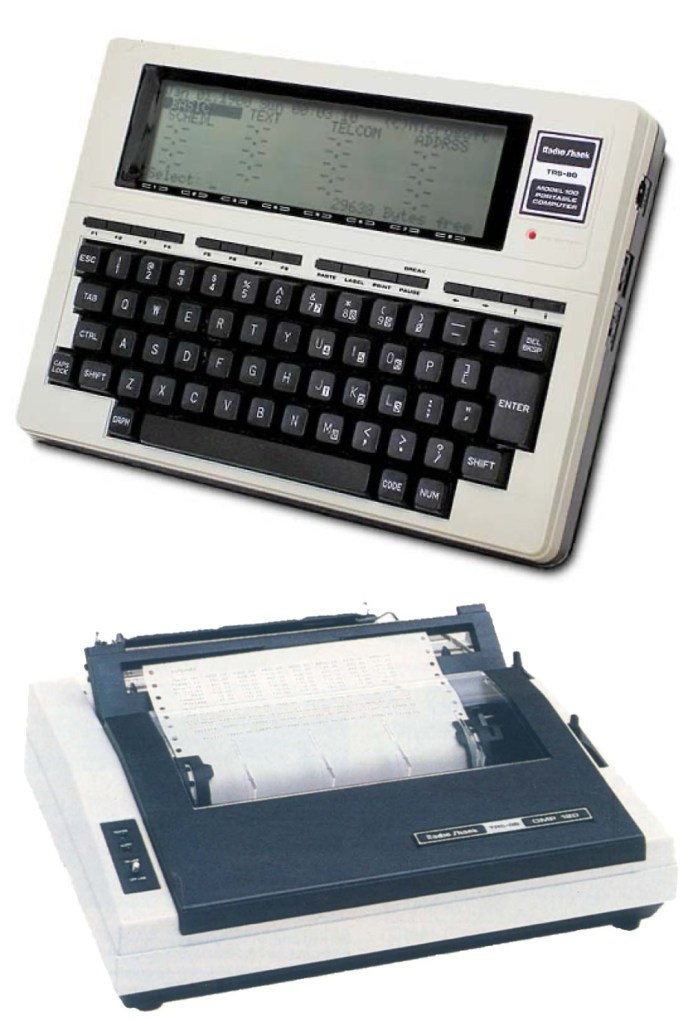
My manuscript? Printed on a dot matrix printer from a Tandy TRS-80 Model 1 back when computers sounded like dial-up demons.

My rejected pages went into a box filled with high school trophies, college memorabilia, and expired dreams.


Fast forward a few decades. Before I attended the 2019 Wyoming Writers, Inc. conference in Laramie, that rejection was still my only one. I know, it’s a unicorn story, but stick with me.

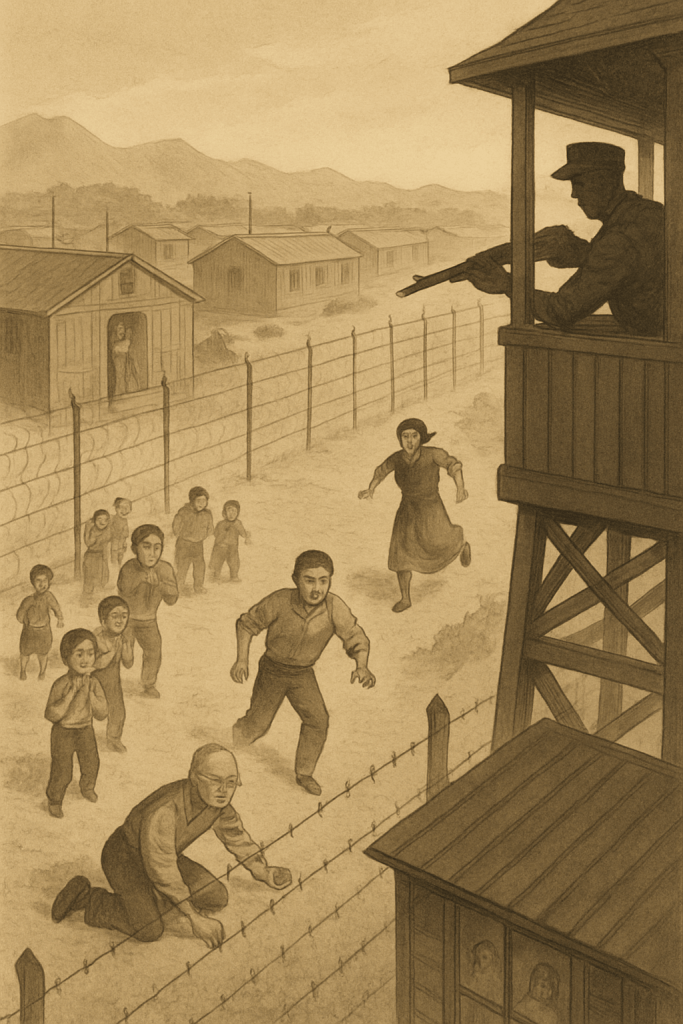
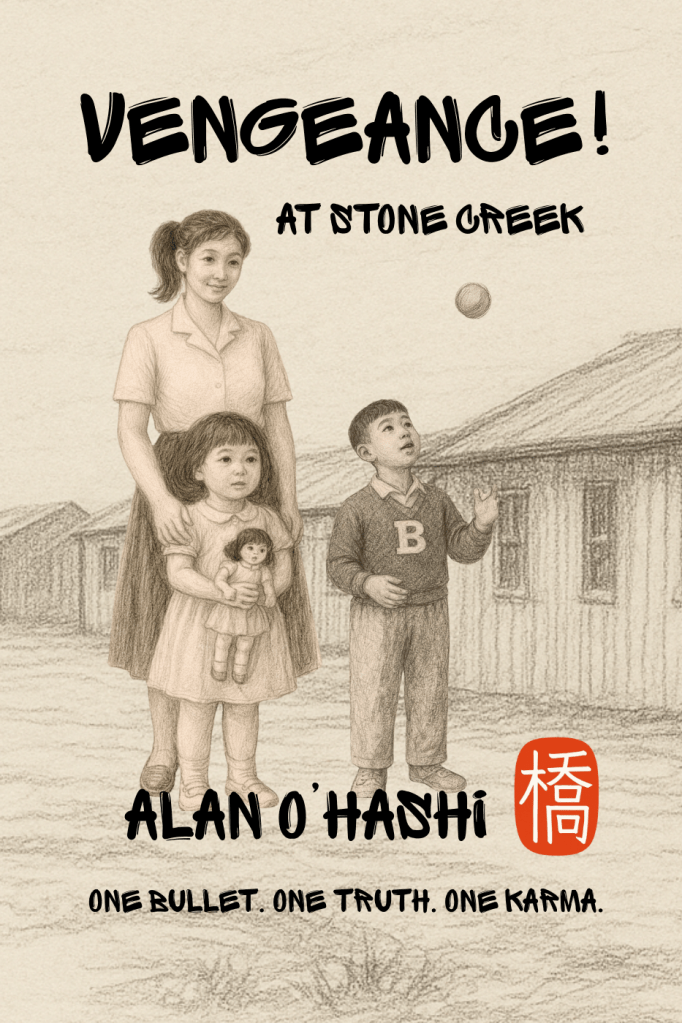
Back in the day, my Uncle Jake ran Pioneer Printing in Cheyenne. I edited Wyoming Graffiti, an anthology of newspaper columns I’d written about Wyoming and its culture. The writings included a piece titled, Beyond Heart Mountain. It was about a Japanese American woman I met on a plane from Denver to Riverton. She was interned at the Heart Mountain camp and was flying to Worland for a family get-together. It was also a throwback to my childhood growing up in the once-vibrant Japanese neighborhood of my hometown.

Years passed. Life happened. Then, I watched a local TV interview about the Japanese community in Cheyenne nudged my memory. I dusted off those old essays. They still held power.

At the WWI conference, I pitched the idea to Wintergoose Publishing. Not only did they not reject it—they accepted it on the spot. I wrote 80,000 words by October and had a contract in November.

I’ll be the first to say that this is not the norm.

Writers in online groups talk about 60, 70, 100+ rejections. Publishing can feel like playing whack-a-mole in the dark. So how do you increase your odds of success?

Put yourself in positions to succeed: Writing is solitary, but success isn’t. Go to readings. Attend writing conferences (especially ones with pitch sessions). Show up at art events, gallery openings, and open mics. Say “yes” more often. Relationships matter. Sometimes more than the perfect manuscript. People remember people.

Your odds improve when people can connect your face to your voice, and your voice to your work.

Get off the couch: Dig out your dot matrix pages. Check your iPhone Notes app scribbles. Look at your coffee-stained drafts—and get out of the house. You’re not just building a book. You’re building a network, a reputation, and maybe, if you’re lucky, a “yes” that changes everything. Rejection isn’t the end. It’s just a reroute. Success doesn’t always knock. Sometimes you have to knock first.

Get writing. Get pitching. Get out there.

Do you have questions or comments? Ask Besty Bot about the writing craft and how to publish your book with Best Chance Media!

Copy and Share This Post on Your Social Media:

📚 My first rejection? 1987. The manuscript typed on a TRS-80 and printed on a dot matrix printer. It took hours to print. Brutal. Fast forward to 2019: I pitched my old idea at a writing conference. I landed a book deal on the spot. 💡 Writing doesn’t happen in a vacuum. Show up. Speak up. Pitch your story. 📦 That box of dusty pages? It might just be your next book. #WritersLife #RejectionToRedemption #WritingCommunity #PitchToPublish #WritersConference #KeepWriting #AuthorJourney #WyomingWriters #AmWriting #NetworkingMatters #WriteYourStory #BookDealDreams https://bestchancemedia.org/2025/12/18/from-a-dot-matrix-manuscript-to-book-deal-how-i-turned-rejection-into-redemption/

Go back

Your message has been sent

Warning
Warning
Warning
Warning.

Mastering Short-Form Writing: Essential Strategies

By Jennifer Braddock – Editor

Would-be writers are sipping matcha at the bohemian coffee shop. Laptops are open as they write their latest piece. This piece may or may not actually exist outside their heads.

If you’re seriously considering becoming a short-form magazine writer, here’s what you can do. Make it a stopgap job while you work on the Great American Novel. Start by moving beyond the yoga café daydream. Focus on transitioning into paying work.

Think beyond “I want to write.”

Write a Business Plan:

Build a Portfolio Before You Pitch: Magazine publishers, whether glossy print or digital, want proof. They need to see that you can deliver clean, on-point writing. Get that first byline someplace, somewhere.

  • Local publications: Neighborhood papers, city lifestyle mags, or regional travel guides.
  • Nonprofit newsletters: Many will be thrilled to give you a byline in exchange for volunteer writing.
  • Online guest posts: Even unpaid, these give you links you can show editors.
    Your goal: a handful of well-edited, published clips to link in your pitch emails.

Consider Medium and Substack, but Know the Costs: Self-publishing platforms offer writers space to write and publish their work. They can also earn a little cash for their efforts.

  • Medium: You can post for free, but to earn from the Partner Program, you’ll need a paid membership. This is currently around $5 per month. The first step is attracting at least 200 followers. After that, you’ll make money based on the time members spend reading. Not exactly rent money unless you build a following.
  • Substack: There is no fee to publish. They take a 10 percent cut of subscription revenue. They also charge credit card processing fees (around 3 percent). This means if you charge $5/month, you’re netting around $4.25 per subscriber.

These platforms won’t magically bring you readers. You’ll have to actively promote your work. As with all self-publishing, having a large number of social media followers is a big help.

Develop a Short-Form Skill Set: Short-form magazine writing isn’t the same as writing essays or blog rants. You’ll need to do some research.

  • Follow the magazine’s style guide. If they say one-inch margins, make one-inch margins.
  • Nail the hook in the first sentence. This is true for any writing, but more important if you’re limited to 500 words.
  • Keep to strict word counts. If they say no more than 800 words, stick to that limit.
  • Fact-check like your career depends on it, because it does. Watch a movie called Shattered Glass, which is about the worst possible scenario of stories based on made-up facts.

Have a Safety Net: Creative entrepreneurship isn’t for wimps. Get a part-time job, ask your grandmother for a float from your inheritance, leverage your unemployment benefits, anything. You’ll deal with all kinds of excuses from publishers.

  • Late payments.
  • Kill fees. Publishers may pay you less than promised if they decide not to accept your piece.
  • Pitch rejections that read like “We’ll keep your idea in mind. That translates to “No.

Treat freelancing like a business, not a hobby.

Bottom line: Becoming a creative entrepreneur is like climbing the Flatirons in a windstorm. Have a safety net, a business plan, and a clear-eyed view of how you’ll make your writing pay. It’s not enough to just look like a writer. You’ve got to deliver the words.

If you have questions or comments, message Besty Bot. We’re always learning something new!

Copy and Share this Post on Your Social Media

Want to write magazine articles as a side hustle? You can’t swing your yoga mat without hitting someone who calls themselves a “freelance writer.” 🧘‍♀️✏️ But turning that latte-fueled dream into paying magazine work takes more than a laptop and vibes. Build your portfolio, know the platforms, and have a safety net. Creative entrepreneurship isn’t for wimps. 💪📚 https://bestchancemedia.org/2025/11/27/mastering-short-form-writing-essential-strategies/ #FreelanceWriting #WritersLife #BoulderLife #CreativeEntrepreneur #WritingTips #ShortFormWriting #MagazineWriter #ContentCreation #BusinessOfWriting #WritersCommunity #WriteAndThrive

Go back

Your message has been sent

Warning
Warning
Warning
Warning.

Unlock Your Writing Potential with Best Chance Media

By Jennifer Braddock – Editor

Best Chance Media is an imprint that seeks writers who have been rejected and not been traditionally published. If you fall through the cracks, submit anyway. We’re flexible. We only accept submissions for full-length works: at least 40,000 words: fiction, nonfiction, and memoir.

If there’s a historical element, that’s a plus.

You write romance stories or young adult fiction, and then set them in a historical context. If you’re writing a memoir, think about historical events that happened during the experience that changed your life. Fantasy and science fiction can be set in historical contexts of the earthly world.

  • Fiction: While any fiction will be checked out, we’re partial to historical fiction. The story is set in the past. It may incorporate real historical events, people, or settings. Historical stories feature fictionalized characters, dialogue, and plot details. Your story should create an authentic sense of a particular time while telling a made-up “What If?” story that fits within that historical context.
  • Nonfiction: The same applies to nonfiction. A historical story presents accounts of unique past events, people, and places, based on factual evidence and thorough research. We seek stories that describe historical events. We also explore how areas like history, philosophy, literature, art, and culture have shaped human society.
  • Memoir: Memoirs are historical by definition. They intertwine with history during significant events or periods. These include the writer’s personal story unfolding midst war, migration, or civil rights movements. Such historical events shaped the author’s journey. The memoir doesn’t just list historical facts. It brings history to life through the author’s eyes. It blends personal feelings with the realities of the time.

– The Fine Print:

  • Best Chance does not accept manuscripts that depict violence, like rape, incest, harm to a child, or dismemberment. Manuscripts that advocate criminal activity are also not accepted.
  • Best Chance only accepts manuscripts from authors who are at least 18 years old and residents of the United States.
  • Best Chance only accepts manuscripts written in English. No partial manuscripts or idea pitches will be accepted.
  • Best Chance does not accept manuscripts for foreign rights expansion into the U.S. market.
  • Best Chance does not accept earlier released books (either self-published or released by a traditional publisher).
  • Best Chance does not accept short stories, collections of stories, or poetry.
  • Best Chance will remove manuscripts that do not meet these guidelines.
  • Best Chance will remove any query directly emailed.

If you meet all the requirements, fill out the:

SUBMISSION FORM

We will let you know our decision. It may take Best Chance up to a month to accept or refuse your submission. If you have questions, send an email to bouldercommunitymedia@gmail.com

Do you have questions or comments? Ask Besty Bot about the writing craft and how to publish your book with Best Chance Media!

Copy and Share this Post on your Social Media:

Are you frustrated with all your rejection letters? Have you rewritten your story 50 times and you can’t get the interest of any agents or publishers? Best Chance Media are looking for writers like you. We’re a traditional press and won’t ask you for any upfront money, or charge you for editing. Best Chance is a writers’ cooperative that shares and collaborates for the betterment of all! https://bestchancemedia.org/2025/11/06/best_chance_submissions/

Go back

Your message has been sent

Warning
Warning
Warning
Warning.

Writing Authentic Characters: Tips for Diverse Voices

By Jennifer Braddock – Editor

You’re staring at the page. Your character is taking shape. She could be a young Black woman in the 1940s or a Native teen today. He might be a transgender man in a small town.

Another possibility is an undocumented immigrant or an octogenarian Buddhist monk. And you? You’re none of those things.

Now what?

Writing across difference isn’t a literary crime, but doing it poorly might land you in stereotype prison.

Tokenism, or flattening a character’s identity to a label can sink your story and your credibility. There are ways to do it well, starting with craft.

Why “Show, Don’t Tell” Matters Here

“Show, don’t tell” isn’t just a workshop cliché. It’s a tool that helps writers step back and let the character live on the page. This avoids reducing them to what the writer says about them. For writers working outside their own identity or experience, this approach encourages depth, empathy, and individuality.

Tip 1: Let Identity Inform, Not Define the Character

Telling (weak):
Enrique was a fiery Mexican teenager who loved tacos and got into trouble at school.

Showing (stronger):
Enrique smoothed the foil around his mother’s tamales before shoving them into his backpack. Detention could wait. He wasn’t missing Mrs. Larsen’s pop quiz again.

Enrique’s cultural background shows up in specific details, like tamales and his family life, not broad generalizations. He’s a fully realized teen, not a cultural shorthand. His description moves the story forward.

Tip 2: Think “Person First, Context Always”

Build a whole person with desires, fears, and contradictions. Then think about how identity interacts with the setting. Determine how this person’s lived experience would affect how they move through the world.

Example (White writer writing a Black woman character): Rather than start with “she’s Black.” Start with: What does she want? What’s in her way? Now, how might her identity shape those obstacles or motivations in her world? Think about yourself. Show her neighborhood, places she shops, and the type of food she eats.

Tip 3: Dialogue Should Reveal, Not Reinforce

Avoid using dialogue to dump identity markers or, worse, exoticize. Instead, use tone, pacing, subtext, and conflict. Let dialogue express worldview, not stereotypes.

Bad:
I’m just a sassy Black woman. That’s how we are.

Better:
“You think I’m being loud? No, baby. I’m being heard.”

Tip 4: Use Specificity, Not Symbols

Instead of vague references like “traditional food” or “foreign dress,” use concrete sensory detail. That’s where lived humanity shows up.

Weak:
Josef wore tribal garb.

Stronger:
Josef adjusted the frayed kente sash around his shoulders, fingers brushing the embroidery his grandmother stitched before the War.

Tip 5: Research Isn’t Optional, but It’s Not the End

Read memoirs, essays, and novels by writers who share your character’s identity. Watch documentaries. You might want to visit places where you may feel uncomfortable. Talk to sensitivity readers. Remember, your goal isn’t to become that person, it’s to write one honestly and specifically.

Tip 6: Observe, Embed, and Be Introduced

Writing characters unlike yourself isn’t just about what you imagine. It’s also about what you witness.

  • Observe the real world: Listen to conversations in public spaces. Watch how people interact with their families, elders, and institutions. What are the unspoken rules? What’s considered rude, tender, or powerful?
  • Embed when you can: Attend community events. Be respectful. Volunteer. Sit in the back row of the church, the cultural festival, the open mic, to listen and watch.
  • Find a Cultural Broker: This is someone who’s part of the community you want to write about. They can help you understand the nuance behind what you see. A good broker doesn’t just answer questions; they offer perspective, correct your assumptions, and challenge your narrative where needed.

Quick “Show, Don’t Tell” Checklist

You can’t shortcut trust. You can’t Google your way to nuance. You can build it with time, humility, and intention.

  • Avoid generic labels (e.g., “Asian values,” “female intuition”).
  • Don’t make identity the only thing interesting about a character.
  • Let the character surprise you and your reader.

Writing Outside Your World Requires Courage, Craft, and Cultural Competency

Writing characters unlike yourself isn’t just an act of imagination. It’s an act of responsibility. It’s more than about checking a diversity box. It’s about deepening your empathy, expanding your narrative lens, and doing the labor to write truthfully, not just “accurately.” To do it well, you need more than facts and feedback. You need cultural humility.

That means:

  • Reflecting on your own socialization: What assumptions were you taught about other cultures, races, genders, or communities? What did your education, media, or upbringing fail to show you, or distort?
  • Unlearning harmful patterns: Even well-meaning writers carry unconscious bias. That doesn’t make you irredeemable. It makes you human. But it does mean that part of your job is to interrogate the lens you’re writing through.
  • Expanding your empathy: True cultural competency isn’t performative. It’s about developing the emotional and intellectual agility to fully imagine others. This includes considering them with nuance, contradiction, and depth.

Your Call to Action

The toughest character of all is yourself. You can’t write what you haven’t taken the time to understand. If you’re going to write across race, gender, or ability, start with your own identity.

  • Reflect deeply and be curious.
  • Undo what needs unlearning in addition to research.
  • Listen harder than you speak.
  • Write with humility, not authority, and earn the right to tell the story.

Great storytelling doesn’t just represent the world. It reimagines who belongs in it. Write boldly and responsibly. You can do it. But don’t expect it to be easy. The words you put on the page will shape how readers see the world and each other.

Ready to do the work? Your story deserves it. So do your characters.

Do you have questions or comments? Ask Besty Bot about the writing craft and how to publish your book with Best Chance Media!

Copy and Share This Post to Your Social Media:

✍️ Writing characters unlike yourself? It’s not just about research. It’s about reflection. Undo bias. Observe deeply. Write with cultural humility. Representation starts with responsibility. #AmWriting #WritingTips #DiverseVoices #ShowDontTell #OwnVoices #CulturalCompetency #WritersLife #WriteResponsibly #EmpathyInWriting #WritingCommunity https://bestchancemedia.org/2025/10/01/writing-beyond-stereotypes-tips-for-authentic-character-voices/

Go back

Your message has been sent

Warning
Warning
Warning
Warning.

Signs of a Legit Hybrid Publisher: Don’t Get Scammed

By Jennifer Braddock – Editor

For new authors navigating the wilds of the publishing world, it’s easy to feel overwhelmed. Traditional publishing? Self-publishing? Vanity press? Hybrid publishing?

What do all these mean, and more importantly, who can you trust?

In this post, we will:

  • Break down what a hybrid publisher is.
  • Explain how it differs from a vanity press.
  • Discuss how authors are compensated.
  • Show how to tell if a hybrid press is legit or just lipstick on a scam.

First, What Is a Hybrid Publisher?

A hybrid publisher blends the business models of traditional and self-publishing:

  • You pay part of the cost upfront: These are offered on a menu for editing, design, and production, marketing, and distribution. Be sure your contract is specific and that you must approve any changes.
  • The publisher handles publishing logistics: Once you decide on the services you want, pay attention to the contract execution.
  • You retain more control and get higher royalties: Since you’re cost-sharing, your take is higher than with a traditional publisher.
  • Reputable hybrids are selective: You still have to pitch, they pick, and don’t publish everything that comes their way.

How Do Authors Get Paid?

Look at hybrid publishing as an investment. Even though you’re an investor in your project, legit hybrid publishers still compensate you after publication.

  • Royalties: Typically range from 50% to 70% of net sales revenue, much higher than traditional deals.
  • Sales Reporting: You should receive regular, transparent royalty reports and payments.
  • Rights: You often retain more rights than in a traditional deal, and many hybrids offer non-exclusive contracts.

In a best-case scenario, you’re paying for a professional service to produce your book, and then you’re earning back your investment, and ideally more, through sales.

Do Hybrid Presses Handle Sales and Distribution?

Some do, and this is a key differentiator between quality hybrids and glorified vanity presses.

Legit hybrid publishers may offer:

  • Print and digital distribution: Publishers of all types use IngramSpark, Amazon, Barnes & Noble, and indie bookstore catalogs.
  • Library access: They use platforms like OverDrive, Baker & Taylor, or Hoopla
  • Marketing consultation or campaigns: All publishers assist with promoting your content to retailers and the general public, although these vary widely. Best Chance Media tailors strategies for its authors.

However, not all hybrids offer robust distribution, so this is an important question to ask when you’re vetting one.

Hybrid vs. Vanity Press

FeatureHybrid PressVanity Press
Author PaysYes (investment model)Yes (often overpriced packages)
SelectivityYesNo
Royalties50–70% of net revenueOften minimal, if any
RightsOften retained or sharedOften taken
DistributionOffered by manyRare, usually limited to Amazon
Editorial ProcessRequiredOptional or absent

Red Flags: When a Hybrid Press Is Really Just a Scam

Some shady outfits brand themselves as hybrid publishers to sound legitimate, when really, they’re just vanity presses in disguise.

Watch out for:

  • High upfront fees with vague deliverables
  • No editorial process or quality standards
  • No real distribution or sales strategy
  • Unclear royalty structure
  • No plan to help you succeed, only to get you to sign

Signs of a Legit Hybrid Publisher

A real hybrid publisher:

  • Is transparent about pricing, royalties, and services
  • Has a track record of successful titles
  • Evaluates manuscripts before offering a contract
  • Has a clear royalty payment schedule
  • Offers real distribution options, not just uploads to Amazon

Bottom Line

Hybrid publishing can be a great option if you’re working with a reputable press. I have three friends who have had great success with one particular hybrid press. Think of it as hiring a team to help you produce and distribute a professional book. Bo your homework: just because someone calls themselves a hybrid doesn’t mean they aren’t predatory.

Have you worked with a hybrid press or are you considering one? Let’s swap notes.

Do you have questions or comments? Ask Besty Bot about the writing craft and how to publish your book with Best Chance Media!

Copy and Share This Post to Your Social Media:

Not all hybrid publishers are shady, but not all are legit either. Learn how to spot the difference and how authors really get paid. #WritingCommunity #IndieAuthors #HybridPublishing #VanityPressWarning #BookBusiness https://bestchancemedia.org/2025/08/28/what-is-a-hybrid-publisher-are-they-scammers-too/

Go back

Your message has been sent

Warning
Warning
Warning
Warning.