Turning Rejection into a Book Deal

By Jennifer Braddock – Editor

I received my first rejection letter in 1987. It was polite. The envelope looked steam-opened. Whoever did it wasn’t even that curious.

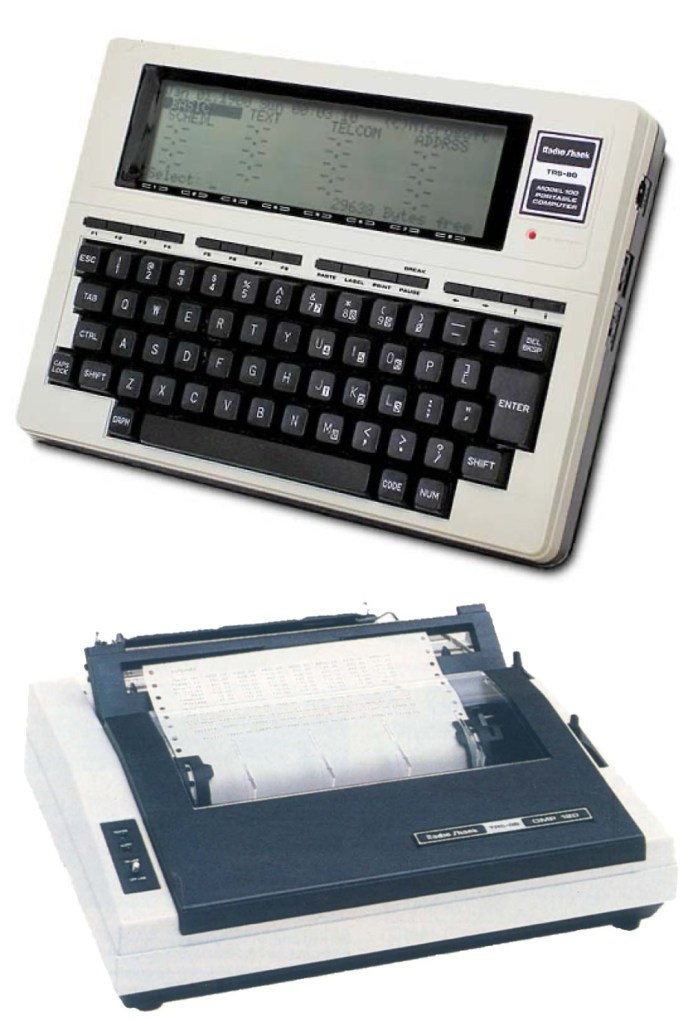
My manuscript? Printed on a dot matrix printer from a Tandy TRS-80 Model 1 back when computers sounded like dial-up demons.

My rejected pages went into a box filled with high school trophies, college memorabilia, and expired dreams.


Fast forward a few decades. Before I attended the 2019 Wyoming Writers, Inc. conference in Laramie, that rejection was still my only one. I know, it’s a unicorn story, but stick with me.

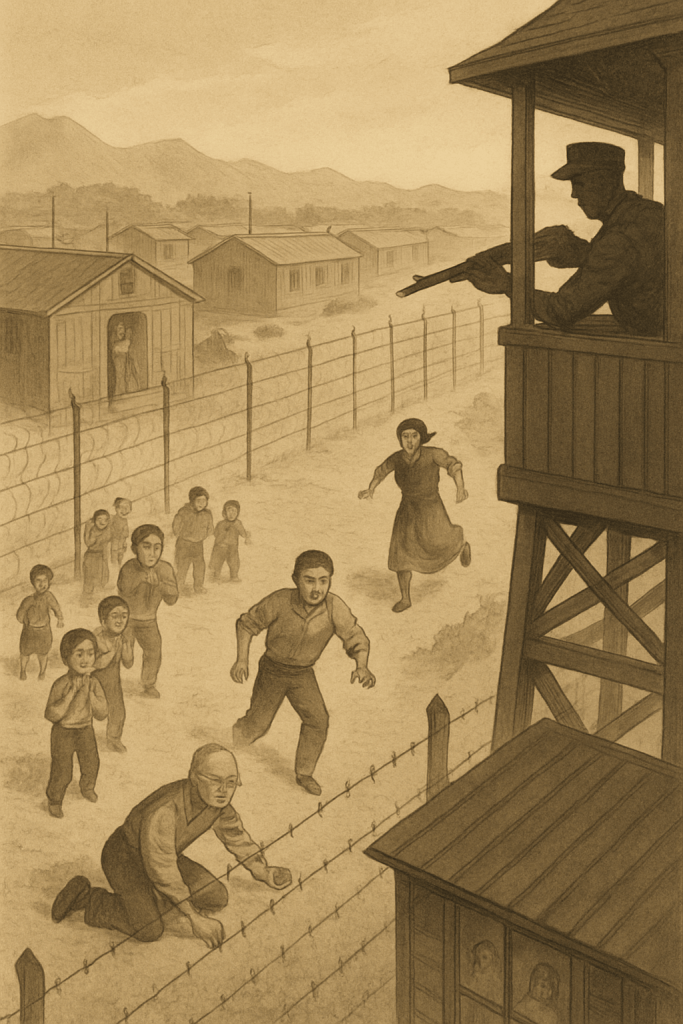
Back in the day, my Uncle Jake ran Pioneer Printing in Cheyenne. I edited Wyoming Graffiti, an anthology of newspaper columns I’d written about Wyoming and its culture. The writings included a piece titled, Beyond Heart Mountain. It was about a Japanese American woman I met on a plane from Denver to Riverton. She was interned at the Heart Mountain camp and was flying to Worland for a family get-together. It was also a throwback to my childhood growing up in the once-vibrant Japanese neighborhood of my hometown.

Years passed. Life happened. Then, I watched a local TV interview about the Japanese community in Cheyenne nudged my memory. I dusted off those old essays. They still held power.

At the WWI conference, I pitched the idea to Wintergoose Publishing. Not only did they not reject it—they accepted it on the spot. I wrote 80,000 words by October and had a contract in November.

I’ll be the first to say that this is not the norm.

Writers in online groups talk about 60, 70, 100+ rejections. Publishing can feel like playing whack-a-mole in the dark. So how do you increase your odds of success?

Put yourself in positions to succeed: Writing is solitary, but success isn’t. Go to readings. Attend writing conferences (especially ones with pitch sessions). Show up at art events, gallery openings, and open mics. Say “yes” more often. Relationships matter. Sometimes more than the perfect manuscript. People remember people.

Your odds improve when people can connect your face to your voice, and your voice to your work.

Get off the couch: Dig out your dot matrix pages. Check your iPhone Notes app scribbles. Look at your coffee-stained drafts—and get out of the house. You’re not just building a book. You’re building a network, a reputation, and maybe, if you’re lucky, a “yes” that changes everything. Rejection isn’t the end. It’s just a reroute. Success doesn’t always knock. Sometimes you have to knock first.

Get writing. Get pitching. Get out there.

Do you have questions or comments? Ask Besty Bot about the writing craft and how to publish your book with Best Chance Media!

Copy and Share This Post on Your Social Media:

📚 My first rejection? 1987. The manuscript typed on a TRS-80 and printed on a dot matrix printer. It took hours to print. Brutal. Fast forward to 2019: I pitched my old idea at a writing conference. I landed a book deal on the spot. 💡 Writing doesn’t happen in a vacuum. Show up. Speak up. Pitch your story. 📦 That box of dusty pages? It might just be your next book. #WritersLife #RejectionToRedemption #WritingCommunity #PitchToPublish #WritersConference #KeepWriting #AuthorJourney #WyomingWriters #AmWriting #NetworkingMatters #WriteYourStory #BookDealDreams https://bestchancemedia.org/2025/12/18/from-a-dot-matrix-manuscript-to-book-deal-how-i-turned-rejection-into-redemption/

Go back

Your message has been sent

Warning
Warning
Warning
Warning.

Mastering Turning Points in Storytelling

By Jennifer Braddock – Editor

Ever read a story or watch a movie where nothing really happens? Where characters meander through scenes, conversations trail off, and by the end of the chapter, you’re still not sure why you read it? That’s the danger of a story without turning points.

Whether you’re plotting meticulously or flying by the seat of your pants, knowing how and when to shift the direction of your story can keep readers engaged and keep you from getting stuck.


What Is a Turning Point?
A turning point is the moment something changes: an emotional pivot, a decision made, an accident, or a revelation. It doesn’t have to be huge. A character forgetting the bathroom code and getting locked out in a moment of crisis can be just as pivotal as finding out their partner is cheating or the plane is about to crash. Big or small, the point is: the story should never stay still.

When your character says “yes” to something, whether that’s a job, a relationship, a journey, or a truth, the scene needs to end, pivot, or reveal consequences. Unless that “yes” leads to a new challenge or reversal, the scene is over. It’s time to cut and move to the next setup.

Small Turning Points Matter
If your story feels sluggish, ask: What’s changing in this scene? What’s the point of this moment?

  • Did your character forget their lines in a school play? That’s a moment of embarrassment that could change their confidence.
  • Did a dog bark at them in the street? Maybe that moment triggers a memory.
  • Did they get a “yes” from a job interview? Great. What does that decision force them to face?

The story should always move. There are four essential turning points.


The Inciting Incident: The first major turning point is the moment that upsets your character’s ordinary world. It’s the spark. Your character gets fired, gets dumped, discovers a secret, gets an invitation they can’t refuse, or gets For example: by a spider. The incident forces them to make a choice or react.

  • A woman opens a letter meant for someone else and learns her boss is lying about her.
  • A teen forgets their backpack and ends up on a different bus that changes their life.
  • A chef drops a fork, and a customer picks it up, the first spark of a love story.

These are all small events that open the door to a bigger story.


End of Act I: This is the point of no return where the character steps fully into the story. Maybe they lie to protect someone, and now they’re stuck in the lie. Maybe they say yes to an opportunity but realize it comes with serious risks. This moment defines the rest of the story.

From there, each turning point should push the character toward the climax—the biggest turning point of all, where change becomes permanent, and the story can go no further.

Story Climax: The climax is the highest point of tension in your story: emotionally, physically, or both. It’s when your character faces the biggest challenge, makes the ultimate decision, or comes to a painful truth. After this moment, the story can go no further.

The inciting incident, the end of Act I, and every small and large turning point lead to this. It’s the do-or-die, speak-now-or-forever-hold-your-peace, win-or-lose beat.

Examples:

  • A character finally confesses their secret—and risks everything.
  • The hero defeats the villain, but at great cost.
  • A daughter walks away from her family, knowing she won’t come back.

Once the climax happens, there’s no need to keep building tension. The job now is to land the emotional plane, tie up loose ends, show the fallout, and let the reader breathe again. Let the end of your story ring and echo. Then wrap it up with a purpose rather than dragging your story out.

Denouement: Once the climax hits, the reader needs a moment to breathe. That’s why the denouement is important, as the final stretch where the consequences of the climax play out and the emotional arcs come full circle.

This is not the time to introduce new twists or subplots. Think of it as the last few moments after the storm has passed:

  • The hero limps home.
  • The lovers decide whether to try again.
  • The family gathers around a dinner table that’s a little quieter but somehow stronger.

A good denouement answers lingering questions, shows how the world has changed, and gives your readers time to reflect. It’s the moment the character relaxes, looks at the horizon, and we know at that point that after all they’ve been through, they’ll never be the same.

Without it, the climax feels abrupt. With it, your story resonates.

Plotters vs. Pantsers: Turning Points Matter Either Way
Whether you outline every beat or discover the story as you write, keeping turning points in mind will help you stay on track. Don’t write to fill pages, write to shift the stakes. Every scene should have a before and an after. Something happens. A choice is made. A secret is revealed. A bus pulls out.

Your Call to Action!
Don’t get stuck, keep moving. When you hit a wall, look for a turn. Ask: What hasn’t changed yet? What needs to? Turning points don’t have to be explosions. They can be dropped forks, forgotten codes, or missed buses. What matters is that something shifts emotionally, physically, or in the plot. Keep those turns coming, and your story will never stall.

Revisit your draft. Look at each scene and ask, “What changes here? Where’s the turn?” Keep the motion going, and you’ll find your way from start to finish—without getting stuck in the middle.

Do you have questions or comments? Ask Besty Bot about the writing craft and how to publish your book with Best Chance Media!

Copy and Share this Post on Your Social Media:

🚨 Stuck in the middle of your story? You might be missing a turning point. Every scene should shift something: an emotion, a choice, a direction. Whether it’s a dropped fork or a life-changing “yes,” something must change.

✍️ Inciting incident? That’s your spark.
🎬 End of Act I? That’s your no-turning-back point.
🏁 Climax? That’s the final pivot before the end.

Whether you’re an outliner or a pantser, turning points are your best friend. Keep the story moving. Don’t write in circles, write to change. #WritingTips #StoryStructure #TurningPoints #AmWriting #FictionWriters #WritersOfInstagram #PlotTwist #KeepWriting #PantsersAndPlotters #WriteToChange https://bestchancemedia.org/2025/12/04/from-fork-drops-to-life-flops-writing-turning-points-that-keep-stories-moving/

Why Picking a Genre Matters More Than You Think

By Jennifer Braddock – Editor

When I first started reading about query letters, one piece of advice kept popping up: agents and publishers want to know your genre.

At first, I resisted. “My book doesn’t fit into a neat little box,” I thought. “It’s unique!” But here’s the truth: uniqueness and marketability aren’t the same thing.

I’m looking for ‘funky, magical romance’!

Think of it this way. Walk into a bookstore. What do you see? Shelves with clear labels: Mystery, Romance, Science Fiction, Memoir. If your book doesn’t fit neatly under one of those signs, where would a bookseller put it? If readers can’t find your book, or don’t know what to expect when they pick it up, they likely wont buy it.

This isn’t about stifling creativity. It’s about speaking the same language as the people who will help you get your book into readers’ hands. Agents, publishers, and booksellers all use genres as shorthand for understanding your audience.

  • Agents want to know your genre so they can decide if your book fits the kinds of projects they represent. An agent who specializes in romance won’t take on your hard sci-fi novel, even if it’s brilliant.
  • Publishers need genres because they plan book launches around clear categories. If they don’t know whether your book is a historical novel or a thriller, they can’t figure out where to market it, or which editor will champion it.
  • Readers use genre as a promise. When they pick up a mystery, they expect a crime to solve. When they buy a romance, they expect a love story. Delivering on those expectations builds trust and keeps them coming back.

Here’s a simplified way to think about it:

  1. Start broad. Is your book fiction or nonfiction?
  2. Pick a lane. If it’s fiction, is it a mystery, romance, fantasy, historical, or literary novel? If it’s nonfiction, is it memoir, history, self-help, or true crime?
  3. Drill down. Subgenres help narrow your audience. Is your fantasy epic or urban? Is your romance historical or contemporary? Is your memoir a travel memoir or a grief memoir?

Here’s the most important part: be strategic. Query agents and publishers who actually represent or publish your genre. If you have a unique hybrid subgenre, position it smartly in your query letter or pitch.

For example, you might describe your book as “a mystery with speculative elements” rather than forcing an agent to wrestle with a brand-new label. If you spend too much time explaining why your work is part this and part that, you risk sounding uncertain—and uncertainty is the fastest way to lose interest.

Another tip: think about genre before you start writing. Rather than pouring your heart into a draft and then pulling your hair out trying to shoehorn it into a category later, give yourself a boundary from the beginning. Boundaries aren’t restrictions; they’re frameworks. Knowing your story is a thriller, a romance, or a memoir helps guide your choices as you write and keeps you from drifting so far that your story doesn’t fit anywhere.

Once you know your category, you can find comp titles—books that are similar to yours in tone, audience, or subject. Comp titles aren’t about proving your book is unoriginal; they show agents, publishers, and readers where your book fits in the marketplace and why it belongs on the shelf.

So, yes, your book might straddle genres, but for the sake of selling it, you need to pick one primary genre and maybe a subgenre. Think of it as giving your book a home. After all, if you don’t know where to shelve it, how will anyone else?

Call to Action: The next time you sit down to write—or revise—ask yourself: What shelf would my book sit on in a bookstore? Start there, and you’ll save yourself countless headaches when it’s time to query, pitch, and ultimately connect with readers who are already waiting for a story just like yours.

Stay Focused: Writing Amid Holiday Chaos

By Jennifer Braddock – Editor

It’s November. You’re stirring gravy with one hand, and wrangling kids in turkey costumes with the other. Somewhere in the back of your mind, your novel is begging for attention.

School pageants and office parties are demanding your attention. You are also planning Thanksgiving dinner for twelve, plus the mysterious “plus ones.” Writing can feel like a luxury you don’t have time for.

But here’s the truth: distractions don’t take a holiday, and your writing life shouldn’t either.

How do you stay focused when the world around you smells like stuffing and chaos?

Established writing routine: Block it off on your calendar. Set a timer. Get up early. Stay up late. Whatever works. Just do it consistently.

And here’s the kicker.

Your family needs to treat this writing time like it’s your job, because it is. You’re the CEO of your story. You wouldn’t waltz into your partner’s office and interrupt their staff meeting with a question about green bean casserole. Expect the same respect for your creative business hours.

Even better? Use the holidays as story fodder. That awkward toast? That gravy explosion? The cousin who always brings his “new business venture” brochures? Pure gold. Take notes. These moments are scenes-in-waiting.

This November, don’t let your writing get sidelined by mashed potatoes and mayhem. Claim your time. Set boundaries. Write like your story depends on it—because it does.


Do you have questions or comments? Ask Besty Bot about the writing craft and how to publish your book with Best Chance Media!

Copy and Share this post on your social media:

🦃 Don’t let turkey day derail your writing goals. Claim your time and turn holiday chaos into creative gold! ✍️ #WritingThroughTheHolidays #WritersLife #ThanksgivingWriting #WritingRoutine #AmWriting #NaNoWriMoSurvival https://bestchancemedia.org/2025/10/30/from-pumpkin-pie-to-page-counts-how-to-keep-writing-through-the-holiday-madness/

Go back

Your message has been sent

Warning
Warning
Warning
Warning.

Quiet Marketing Tips for Introverted Writers

By Jennifer Braddock – Editor

I’m an introvert. Not the “I’m shy in crowds” kind of introvert, the full-on, INFP, “please-don’t-make-me-network” kind.

According to introverted influencer Susan Cain, that makes me part of the American introverted majority. So why does it feel like the extroverts run the whole book-selling world?

An INFP, according to the Myers-Briggs Type Indicator (MBTI), stands for Introverted, Intuitive, Feeling, and Perceiving. It’s a personality type often referred to as the “Mediator” or “Idealist”.

INFPs are known for our strong values, empathy, creativity, and desire to make the world a better place. We are often described as quiet, thoughtful, and imaginative, preferring deep, meaningful connections over superficial ones.

That’s pretty much right on.

Writing? That’s my jam. I can sit with a cup of coffee, dive deep into my imaginary world, and produce something beautiful. Selling it? Talking to strangers? Holding eye contact while explaining my book’s plot in an elevator pitch? That’s not art. That’s torture. The dark side of creativity.

Here’s a more detailed breakdown of INFPs:

  • Introverted (I) We gain energy from spending time alone, reflecting on our thoughts and feelings, and pursuing creative projects. Socializing can be draining for us, and we often need time alone to recharge. 
  • Intuitive (N) We focus on the big picture, possibilities, and abstract ideas rather than concrete details. We’re drawn to the potential of things and enjoy exploring new concepts. 
  • Feeling (F) We make decisions based on our emotions and values, considering how our choices will impact others. We are empathetic and compassionate, often putting the needs of others before our own. 
  • Perceiving (P) We stay open to new information. We embrace new experiences. We adapt to changing situations rather than sticking to rigid plans. We are flexible, spontaneous, and enjoy exploring different options.

Let’s face it. Book groups don’t buy books. Writing groups admire craft, but members have their own books to push. I’ve learned that readers aren’t always found in the places writers congregate.

I started carrying a box of books in my car, just in case. It’s a tiny act of defiance. It’s a gentle challenge to my own introversion. It also challenges the expectation that I must “hustle” like an extroverted influencer watering plants in TikTok videos.

If you’re like me, here’s some low-impact advice for getting your book out there without melting down:

  1. Start with your comfort zone and stretch it: You’re not trying to become someone else. INFPs like me can become “extroverted on demand,” bubbly for a short time. Sign up for a local author event or indie book fair. Not every week, just one. It’s a live reading, not a pitch session. One small step.
  2. Carry your books everywhere: Seriously, having them in your car or luggage is very helpful. I’ve left one in the cruise ship library and waiting rooms. It makes the leap to “Sure, I’ve got a copy!” easier. Mention your book casually at the post office, dentist, coffee shop. You’re not selling. You’re sharing a part of yourself.
  3. Use your introvert superpower: connection.
    You don’t have to shout to be heard. Readers remember genuine moments. Write a thoughtful email. Send a handwritten thank you. Make one real connection instead of fifty awkward elevator pitches.
  4. Let your book speak first.
    Display a small sign or wear a pin with your book title or cover art. Let them ask. You’re still the author, just with a secret weapon: curiosity.
  5. Build passive visibility.
    Put up a website or landing page with a short, heartfelt bio. Join Bookshop.org or BookFunnel. Post quietly on social media: one quote, one photo, one line from your book. No dancing required.

Get out there! Extroverts run the big, noisy parts of the world, but we introverts? We build something lasting. We listen, we feel, and we write stories that stay with people. It’s okay to sell softly. You’re not a performer. You’re a creator. Let your creation do some of the work.

Remember to keep a box of books in the car.

Do you have questions or comments? Ask Besty Bot about the writing craft and how to publish your book with Best Chance Media!


Copy and Share This Post on Your Social Media

📚 I’m an introvert. Writing the book? No problem. Talking about it in public? 😬 Different story. Selling your work as an INFP (or any kind of introvert) doesn’t mean becoming someone you’re not. It just means finding ways to connect instead of perform. I started carrying a box of books in my car. Not to pitch, just to be ready. You never know when someone might ask, “Wait… you wrote a book?” Small steps. Quiet impact. Keep going. #IntrovertAuthor #INFPWriter #QuietMarketing #SusanCainSaidSo #WritersLife #IndieAuthorLife #BookMarketingForIntroverts #SlowBurnSuccess #GentleVisibility #BooksInMyTrunk #IntrovertPower #INFPclub #BookishPost #IndieBooksMatter https://bestchancemedia.org/2025/09/18/an-introverts-guide-to-selling-your-book-without-selling-your-soul-lets-be-honest-shouting-from-a-booth-isnt-our-thing/

Go back

Your message has been sent

Warning
Warning
Warning
Warning.

Signs of a Legit Hybrid Publisher: Don’t Get Scammed

By Jennifer Braddock – Editor

For new authors navigating the wilds of the publishing world, it’s easy to feel overwhelmed. Traditional publishing? Self-publishing? Vanity press? Hybrid publishing?

What do all these mean, and more importantly, who can you trust?

In this post, we will:

  • Break down what a hybrid publisher is.
  • Explain how it differs from a vanity press.
  • Discuss how authors are compensated.
  • Show how to tell if a hybrid press is legit or just lipstick on a scam.

First, What Is a Hybrid Publisher?

A hybrid publisher blends the business models of traditional and self-publishing:

  • You pay part of the cost upfront: These are offered on a menu for editing, design, and production, marketing, and distribution. Be sure your contract is specific and that you must approve any changes.
  • The publisher handles publishing logistics: Once you decide on the services you want, pay attention to the contract execution.
  • You retain more control and get higher royalties: Since you’re cost-sharing, your take is higher than with a traditional publisher.
  • Reputable hybrids are selective: You still have to pitch, they pick, and don’t publish everything that comes their way.

How Do Authors Get Paid?

Look at hybrid publishing as an investment. Even though you’re an investor in your project, legit hybrid publishers still compensate you after publication.

  • Royalties: Typically range from 50% to 70% of net sales revenue, much higher than traditional deals.
  • Sales Reporting: You should receive regular, transparent royalty reports and payments.
  • Rights: You often retain more rights than in a traditional deal, and many hybrids offer non-exclusive contracts.

In a best-case scenario, you’re paying for a professional service to produce your book, and then you’re earning back your investment, and ideally more, through sales.

Do Hybrid Presses Handle Sales and Distribution?

Some do, and this is a key differentiator between quality hybrids and glorified vanity presses.

Legit hybrid publishers may offer:

  • Print and digital distribution: Publishers of all types use IngramSpark, Amazon, Barnes & Noble, and indie bookstore catalogs.
  • Library access: They use platforms like OverDrive, Baker & Taylor, or Hoopla
  • Marketing consultation or campaigns: All publishers assist with promoting your content to retailers and the general public, although these vary widely. Best Chance Media tailors strategies for its authors.

However, not all hybrids offer robust distribution, so this is an important question to ask when you’re vetting one.

Hybrid vs. Vanity Press

FeatureHybrid PressVanity Press
Author PaysYes (investment model)Yes (often overpriced packages)
SelectivityYesNo
Royalties50–70% of net revenueOften minimal, if any
RightsOften retained or sharedOften taken
DistributionOffered by manyRare, usually limited to Amazon
Editorial ProcessRequiredOptional or absent

Red Flags: When a Hybrid Press Is Really Just a Scam

Some shady outfits brand themselves as hybrid publishers to sound legitimate, when really, they’re just vanity presses in disguise.

Watch out for:

  • High upfront fees with vague deliverables
  • No editorial process or quality standards
  • No real distribution or sales strategy
  • Unclear royalty structure
  • No plan to help you succeed, only to get you to sign

Signs of a Legit Hybrid Publisher

A real hybrid publisher:

  • Is transparent about pricing, royalties, and services
  • Has a track record of successful titles
  • Evaluates manuscripts before offering a contract
  • Has a clear royalty payment schedule
  • Offers real distribution options, not just uploads to Amazon

Bottom Line

Hybrid publishing can be a great option if you’re working with a reputable press. I have three friends who have had great success with one particular hybrid press. Think of it as hiring a team to help you produce and distribute a professional book. Bo your homework: just because someone calls themselves a hybrid doesn’t mean they aren’t predatory.

Have you worked with a hybrid press or are you considering one? Let’s swap notes.

Do you have questions or comments? Ask Besty Bot about the writing craft and how to publish your book with Best Chance Media!

Copy and Share This Post to Your Social Media:

Not all hybrid publishers are shady, but not all are legit either. Learn how to spot the difference and how authors really get paid. #WritingCommunity #IndieAuthors #HybridPublishing #VanityPressWarning #BookBusiness https://bestchancemedia.org/2025/08/28/what-is-a-hybrid-publisher-are-they-scammers-too/

Go back

Your message has been sent

Warning
Warning
Warning
Warning.