How to Safeguard Your Manuscript from Theft

By Jennifer Braddock – Editor

Every new writer has that one fear: What if someone steals my story? You’ve poured your soul into your manuscript.

The idea of someone swiping it and cashing in is the stuff of literary nightmares.

Take a breath. The good news? You have more protections than you think, and they’re easier to access than you realize.

Ways Writers Can Protect Their Work:

  • Copyright Automatically Applies: The moment you put your story into a fixed form, like typing it in a document, saved in the cloud, or printed out, it’s automatically protected by copyright law. You own it, even if you haven’t registered it.
  • Register with the U.S. Copyright Office: While copyright is automatic, registration adds teeth. It gives you the right to sue for statutory damages and attorney’s fees if someone actually does steal your work. It’s cheap insurance, about $45 to $65 to register online at copyright.gov.
  • Keep Good Records
    Save dated drafts, emails to critique partners, and notes to yourself. Metadata and timestamps can be useful evidence of originality and creation dates.
  • Use Trusted Sharing Platforms
    If you’re sharing with beta readers or critique groups, choose platforms with built-in version tracking. Google Docs or Dropbox are good options. If you’re really concerned, ask your readers to sign a simple non-disclosure agreement (NDA). This isn’t common in most writing circles.

Myths to Avoid:

  • Poor Person’s Copyright: Mailing your manuscript to yourself is outdated and largely useless in court.
  • Someone Will Steal It Just Because You Shared It: In reality, theft of unpublished stories is incredibly rare. It’s good to have confidence that you have a great story. Most professionals have enough ideas and are too busy creating their own work to bother with stealing yours.
  • Your story deserves to be heard and not hoarded: Equip yourself with the facts, take a few simple steps, and then speak up boldly. After all, the bigger risk isn’t theft, it’s never letting anyone read your work at all out of fear.

Your Call to Action:

Ready to protect your writing and publish with confidence? Share this post with your writing group and check out our guide to registering your first copyright step-by-step.

Do you have questions or comments? Ask Besty Bot about the writing craft and how to publish your book with Best Chance Media!

Copy and Share This Post on Your Social Media:

💡Worried about your story getting stolen? Learn how to protect your work, what counts as first publication, and why fear shouldn’t stop you from sharing. #WritingTips #Copyright #AmWriting #IndieAuthors #WritersCommunity https://bestchancemedia.org/2025/01/09/how-to-safeguard-your-manuscript-from-theft/

← Back

Thank you for your response. ✨

Stop Waiting for Perfection: Embrace Messiness

By Jennifer Braddock, Editor

Rooted in Zen principles, yet crafted for modern lives, the book invites readers to loosen their grip on flawless outcomes.

It encourages rediscovering the value of process, presence, and incremental growth. It’s a book about creativity and also about sanity.

This book doesn’t ask readers to overhaul their lives all at once. It asks them to make small, intentional shifts. There’s a practice known as kaizen, which is continuous improvement without self-judgment. The Zen of Creative Imperfection speaks to that moment with clarity and calm.

If my keyboard charged me a dollar every time I backspaced, I could’ve funded my own book tour by now. I’ve rewritten this sentence nine times already.

Guess what? It’s still not perfect, but here it is. I hit “submit” anyway.

It’s the beginning of a new year, and what can you do to keep on your writing journey? Did you put off your creative projects because you were too busy?

You might think your first draft should read like a Pulitzer winner. I get it. We want to be the genius who shows brilliance from the start. It’s like Mozart composing symphonies without a single missed note.

We’re not Mozart. We’re more like that raccoon with the cotton candy. He tried to wash it and watched it dissolve in sad confusion. That’s our writing process when perfection gets in the way.

The pursuit of perfection is a fancy form of fear. Fear of judgment. Fear of being “found out.” Fear that if you reveal your typos, rough metaphors, and imperfect logic, people will see who you really are.

Spoiler alert: they already do.

Your obsession with perfection isn’t making your work better. It’s making it slower. That sparkling first sentence? It can’t carry the whole novel. That brilliant first paragraph? It will get cut in draft three anyway. Meanwhile, the story that wants to be told is stuck in limbo while you try to polish your outline’s fingernails.

What Zen Says: Zen doesn’t care about your perfect first draft.

Zen says: “Before enlightenment, harvest rice, carry water. After enlightenment, harvest rice, carry water.”
Translation for writers: Before writing a bestseller, write messy. After your best seller, still write messy.

Perfection is an illusion. Imperfection is reality. Zen embraces impermanence, the incomplete, the irregular. Ever seen a raked Zen garden? It’s full of swirls and randomness. That’s your draft.

Doubt is natural. Perfection is optional. Progress is sacred.

There’s no need to sit in silence on a mountain top: What if your writing isn’t perfect? Neither are your socks, and you still wear those. Let go of perfection. Let go of doubt.

Adopt a little Zen and just keep writing. Finish the page. Finish the chapter. Finish the dang thing. Then bow to your draft and whisper:

“Thank you for being gloriously, usefully, and beautifully imperfect.”

Do you have questions or comments? Ask Besty Bot about the writing craft and how to publish your book with Best Chance Media!

Copy and Paste This Post on Your Social Media:

Zen says, “Let go.” Your inner critic says, Rewrite that sentence for the 19th time.” Guess who’s slowing you down? Perfectionism is just fear in a fancy outfit. Want to actually finish your book? Embrace the mess. Your first draft isn’t meant to be perfect—it’s meant to exist. 🧘‍♀️ Breathe. Write. Let go. #WritingCommunity #AmWriting #FirstDrafts #Perfectionism #WritersLife #ZenWriting #CreativeProcess #LetItBeMessy #WriteAnyway #FinishTheBook https://bestchancemedia.org/2026/01/01/perfection-slows-you-down-and-everyone-knows-youre-not-perfect-anyway/


← Back

Thank you for your response. ✨

Finding Balance: Zen and Creativity for Success

If you watch the news for more than ten minutes, it’s easy to believe the world is unraveling. You might feel that you’re already behind. Behind in your career. Behind in your art. Behind in becoming the person you thought you’d be by now.

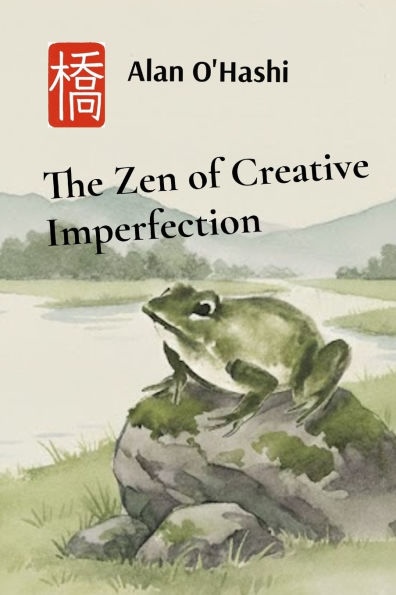
I wrote a book, “The Zen of Creative Imperfection.Zen offers a different starting point. Zen doesn’t ask us to stop striving. It asks us to stop strangling ourselves with the idea of perfection while we strive.

Creative imperfection is a point of entry. One of the quiet gifts of Zen thinking is the idea of showing up fully without clinging to outcomes.

In creative work, this means writing the imperfect draft. It involves painting the awkward first layer and launching the idea before it feels bulletproof.

In the workplace, that might mean, rather than staying home when you’re sick, you come in because you think others will respect you more.

Perfection is rigid. Zen is fluid.

When we let go of the need for everything to be finished, stress loosens its grip before it’s shared. We release the urge to have things polished and approved. We no longer create to avoid failure, but use failures to explore. Ironically, this is often when our best work appears.

Climbing to the top requires managing tension, balance, and breath. It also needs the willingness to take the next step without knowing the entire path.

Imperfection makes you stronger by teaching you resilience. Each misstep becomes information, not indictment or punishment. When we internalize this, creative stress transforms into creative energy. We no longer ask, “Is this good enough? and start asking, “What does this want to become next?

Progress That Calms the Mind

Kaizen is a continuous, incremental improvement that relieves the pressure of getting it “right” all at once. Instead of demanding a masterpiece, kaizen asks for a one-percent improvement today. Then another tomorrow.

Perfection shouts. Kaizen whispers.

In creative practice, kaizen might look like:

  • Writing 300 honest words instead of waiting for the perfect chapter.
  • Practicing one difficult passage instead of the whole piece.

In the workplace, the kaizen approach might be:

  • Learning what your customers think, rather than coming up with a solution first.
  • Incrementally completing a project instead of falling behind on the assignment.

Kaizen soothes the nervous system by giving us permission to move forward without self-judgment. Over time, those small improvements compound into mastery without burnout.

Becoming Whole-Brain Thinkers

As we move into 2026 and beyond, the world is asking more of us. We’re navigating rapid technological change, cultural complexity, and a nation that will become majority-minority by 2045. That reality calls for thinkers who are analytical and intuitive, structured and empathetic.

Zen doesn’t favor the left brain or the right brain. It integrates them.

Creativity without discipline drifts. Discipline without creativity freezes. The future belongs to people who can analyze data. They must also read a room. These people build systems and tell stories. They innovate without losing their humanity.

Creative imperfection allows that integration. It keeps us curious rather than defensive, adaptive rather than brittle.

The Calm Path Upward

Zen redefines success so it doesn’t cost us our peace.

You can still aim high.
You can still climb.
You can still want more.

You don’t have to punish yourself on the way up.

Creative imperfection is guided by Zen and softened by kaizen. It reminds us that growth doesn’t have to be violent to be powerful. Sometimes the strongest progress happens quietly, one imperfect step at a time.

That, paradoxically, is how we become our best.

Leave a comment

← Back

Thank you for your response. ✨

Embracing Your Truth: The Art of Memoir Writing

When you sit down to write about your life, you might wonder: Is this a biography or a memoir?

The difference is more than just page count. A biography tells the full sweep of a life from birth to death, often told chronologically, fact-checked, and complete. A memoir, on the other hand, zooms in on a particular slice of your life. It explores a theme or thread that connects the moments you choose to share.

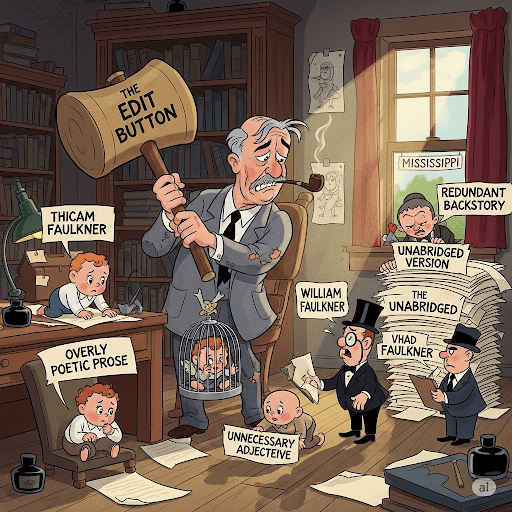
Here’s the thing: you can have more than one memoir. William Faulkner’s oft-quoted advice to “kill your darlings” means you must be willing to cut the parts of your work. These may be parts you personally love the most. As a writer, this can be challenging.

You need to be ready to remove these elements. They could be a clever phrase or a beautifully crafted sentence. Sometimes, it’s even an entire subplot. Remove them if they don’t serve the story as a whole.

The “darlings” are those bits you’re emotionally attached to, but which distract, slow down, or confuse the reader. Faulkner’s point is that good writing is about clarity. It is also about cohesion and the reader’s experience. It is not about the writer’s sentimental attachment to certain lines.

Your darlings may not be needed now, but stash them in the basement for your next project. Larry David and Woody Allen keep notebooks with sentences they overhear or incidents they experience for future reference.

Write freely, but edit ruthlessly. If it doesn’t serve the story, let it go. Rather than “kill your darlings,” keep nurturing them in the guest room until they become relevant for another story.

Life is made of many threads. I wrote Beyond Heart Mountain. It started as a newspaper column. The column was about the lingering shadow of subtle and overt racism toward Japanese Americans after Pearl Harbor. Those echoes have shaped me to this day.

I also wrote A Twinkle at the End. It’s my story of rising from the deathbed. I weave that experience into my decades of navigating the health care system.

Different slices, different truths, both memoirs.

The story in Beyond Heart Mountain began as deeply personal. I realized my experiences weren’t mine alone. I aimed to make my personal story useful to people. I placed it into a broader social context. I hoped this would make it relatable to the general public.

Same with A Twinkle at the End. Many people have faced death in a hospital. I chose to incorporate that experience into my perspectives on health care, which is an important topic these days.

I was offered a publishing contract for Beyond Heart Mountain after my first pitch. That strange sequence of events planted the seeds for a third memoir. The Zen of Creative Imperfection is about my unorthodox writing journey. I’ll update that book with all these stories about the writing craft I’ve been composing.

You are thinking about writing a memoir or trying to write one. If you find yourself stuck or avoiding it because vacuuming is more important, you are dodging your truth. I wrote about this in my post on knowing yourself and Ernest Hemingway’s “one true sentence.” Your job is to tell the clearest, most honest thing you can. Do this one line at a time.

The beauty of memoir is that it doesn’t require you to tell everything. It only requires you to share the truth of what you choose. You can focus on the moments that matter most. These moments illuminate both your life and a universal human experience.

Resurrect your cast-off darlings for another memoir.

If your story’s been knocking on the door of your mind, answer it. Put down the remote. Get off the couch. Write that one true sentence, and the rest will follow.

Do you have questions or comments? Ask Besty Bot about the writing craft and how to publish your book with Best Chance Media!

← Back

Thank you for your response. ✨

Turning Rejection into a Book Deal

By Jennifer Braddock – Editor

I received my first rejection letter in 1987. It was polite. The envelope looked steam-opened. Whoever did it wasn’t even that curious.

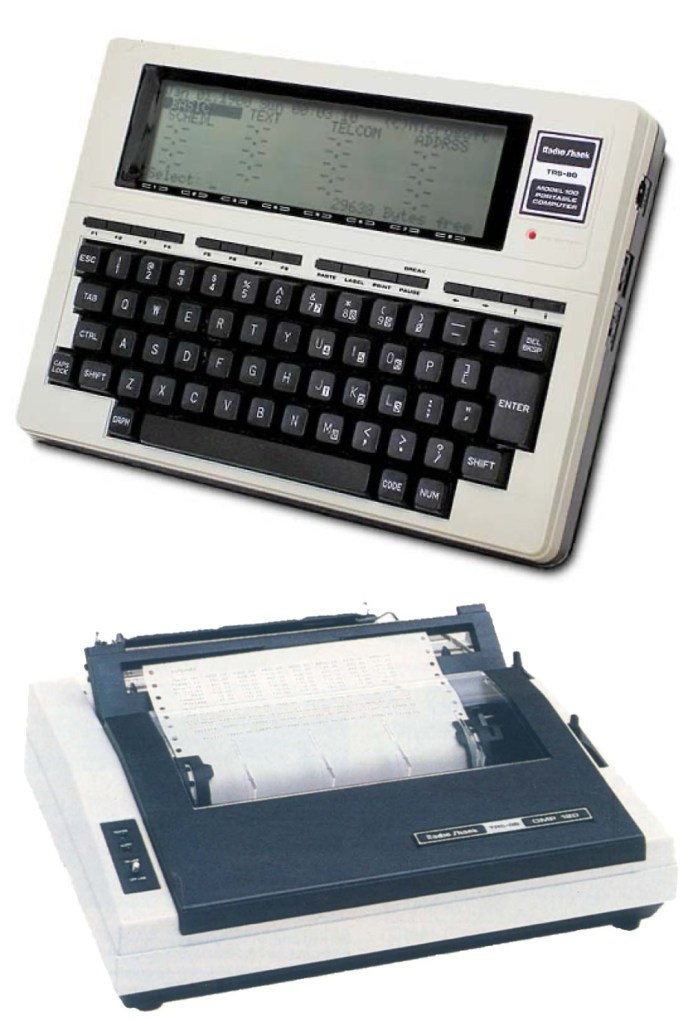
My manuscript? Printed on a dot matrix printer from a Tandy TRS-80 Model 1 back when computers sounded like dial-up demons.

My rejected pages went into a box filled with high school trophies, college memorabilia, and expired dreams.


Fast forward a few decades. Before I attended the 2019 Wyoming Writers, Inc. conference in Laramie, that rejection was still my only one. I know, it’s a unicorn story, but stick with me.

Back in the day, my Uncle Jake ran Pioneer Printing in Cheyenne. I edited Wyoming Graffiti, an anthology of newspaper columns I’d written about Wyoming and its culture. The writings included a piece titled, Beyond Heart Mountain. It was about a Japanese American woman I met on a plane from Denver to Riverton. She was interned at the Heart Mountain camp and was flying to Worland for a family get-together. It was also a throwback to my childhood growing up in the once-vibrant Japanese neighborhood of my hometown.

Years passed. Life happened. Then, I watched a local TV interview about the Japanese community in Cheyenne nudged my memory. I dusted off those old essays. They still held power.

At the WWI conference, I pitched the idea to Wintergoose Publishing. Not only did they not reject it—they accepted it on the spot. I wrote 80,000 words by October and had a contract in November.

I’ll be the first to say that this is not the norm.

Writers in online groups talk about 60, 70, 100+ rejections. Publishing can feel like playing whack-a-mole in the dark. So how do you increase your odds of success?

Put yourself in positions to succeed: Writing is solitary, but success isn’t. Go to readings. Attend writing conferences (especially ones with pitch sessions). Show up at art events, gallery openings, and open mics. Say “yes” more often. Relationships matter. Sometimes more than the perfect manuscript. People remember people.

Your odds improve when people can connect your face to your voice, and your voice to your work.

Get off the couch: Dig out your dot matrix pages. Check your iPhone Notes app scribbles. Look at your coffee-stained drafts—and get out of the house. You’re not just building a book. You’re building a network, a reputation, and maybe, if you’re lucky, a “yes” that changes everything. Rejection isn’t the end. It’s just a reroute. Success doesn’t always knock. Sometimes you have to knock first.

Get writing. Get pitching. Get out there.

Do you have questions or comments? Ask Besty Bot about the writing craft and how to publish your book with Best Chance Media!

Copy and Share This Post on Your Social Media:

📚 My first rejection? 1987. The manuscript typed on a TRS-80 and printed on a dot matrix printer. It took hours to print. Brutal. Fast forward to 2019: I pitched my old idea at a writing conference. I landed a book deal on the spot. 💡 Writing doesn’t happen in a vacuum. Show up. Speak up. Pitch your story. 📦 That box of dusty pages? It might just be your next book. #WritersLife #RejectionToRedemption #WritingCommunity #PitchToPublish #WritersConference #KeepWriting #AuthorJourney #WyomingWriters #AmWriting #NetworkingMatters #WriteYourStory #BookDealDreams https://bestchancemedia.org/2025/12/18/from-a-dot-matrix-manuscript-to-book-deal-how-i-turned-rejection-into-redemption/

← Back

Thank you for your response. ✨

Maximize Earnings with Best Chance Media’s Revenue-Sharing Approach

Author Compensation with Best Chance

By Alan O’Hashi – Publisher

Best Chance Media’s compensation isn’t royalty-based. Big traditional publishing houses are happy to pay a celebrity an upfront royalty advance. They bet that a big name will sell books.

A small press like Best Chance works with indie writers and operates on a revenue-sharing model, and that’s a good thing. In most cases, advances are simply loans against future sales. If your book doesn’t “earn out,” the publisher sees it as a financial liability. They may stop putting effort into promotion. They might even drop the title entirely.

At Best Chance, your book is never treated like a liability. Instead, you start earning real money from the very first sale. Here’s how it works:

  • 40% discount for authors to buy their own books.
  • 50% of every sale Best Chance makes goes directly to the author.
  • Quarterly payments are deposited into your account.
  • You always own the copyright.

Best Chance will send your quarterly payments via PayPal. Once your book is selected, you’ll be asked to set up direct deposit for remittance by linking your bank account to your PayPal account through the online dashboard or the PayPal app on your phone. Payments totaling at least $10.00 will be transferred quarterly. Any amount less than $10.00 will roll over until the minimum threshold is met.

If this compensation formula seems fair to you, and you meet all the requirements, submit your manuscript:

SUBMISSION FORM

It may take BCM up to a month to accept or refuse your submission. If you have questions, ask Besty Bot. We’re here to provide you with the right information.

Copy and Share this Post on Your Social Media

📚✨ Got a manuscript ready to share with the world? Best Chance is looking for fresh voices and bold stories. No agents. No gatekeepers. Just YOU and your book. 💡✍️ 🚀 Submit today and keep your copyright, earn 50% of every sale, and start your author journey with a team that values your work! 👉 Your story deserves its best chance. #WritersOfInstagram #IndieAuthors #AmWriting #AuthorsLife #BookCommunity #PublishingJourney #WriteYourStory #BestChanceMedia https://bestchancemedia.org/2025/12/11/beyond-the-obstacle/

← Back

Thank you for your response. ✨

Mastering Turning Points in Storytelling

By Jennifer Braddock – Editor

Ever read a story or watch a movie where nothing really happens? Where characters meander through scenes, conversations trail off, and by the end of the chapter, you’re still not sure why you read it? That’s the danger of a story without turning points.

Whether you’re plotting meticulously or flying by the seat of your pants, knowing how and when to shift the direction of your story can keep readers engaged and keep you from getting stuck.


What Is a Turning Point?
A turning point is the moment something changes: an emotional pivot, a decision made, an accident, or a revelation. It doesn’t have to be huge. A character forgetting the bathroom code and getting locked out in a moment of crisis can be just as pivotal as finding out their partner is cheating or the plane is about to crash. Big or small, the point is: the story should never stay still.

When your character says “yes” to something, whether that’s a job, a relationship, a journey, or a truth, the scene needs to end, pivot, or reveal consequences. Unless that “yes” leads to a new challenge or reversal, the scene is over. It’s time to cut and move to the next setup.

Small Turning Points Matter
If your story feels sluggish, ask: What’s changing in this scene? What’s the point of this moment?

  • Did your character forget their lines in a school play? That’s a moment of embarrassment that could change their confidence.
  • Did a dog bark at them in the street? Maybe that moment triggers a memory.
  • Did they get a “yes” from a job interview? Great. What does that decision force them to face?

The story should always move. There are four essential turning points.


The Inciting Incident: The first major turning point is the moment that upsets your character’s ordinary world. It’s the spark. Your character gets fired, gets dumped, discovers a secret, gets an invitation they can’t refuse, or gets For example: by a spider. The incident forces them to make a choice or react.

  • A woman opens a letter meant for someone else and learns her boss is lying about her.
  • A teen forgets their backpack and ends up on a different bus that changes their life.
  • A chef drops a fork, and a customer picks it up, the first spark of a love story.

These are all small events that open the door to a bigger story.


End of Act I: This is the point of no return where the character steps fully into the story. Maybe they lie to protect someone, and now they’re stuck in the lie. Maybe they say yes to an opportunity but realize it comes with serious risks. This moment defines the rest of the story.

From there, each turning point should push the character toward the climax—the biggest turning point of all, where change becomes permanent, and the story can go no further.

Story Climax: The climax is the highest point of tension in your story: emotionally, physically, or both. It’s when your character faces the biggest challenge, makes the ultimate decision, or comes to a painful truth. After this moment, the story can go no further.

The inciting incident, the end of Act I, and every small and large turning point lead to this. It’s the do-or-die, speak-now-or-forever-hold-your-peace, win-or-lose beat.

Examples:

  • A character finally confesses their secret—and risks everything.
  • The hero defeats the villain, but at great cost.
  • A daughter walks away from her family, knowing she won’t come back.

Once the climax happens, there’s no need to keep building tension. The job now is to land the emotional plane, tie up loose ends, show the fallout, and let the reader breathe again. Let the end of your story ring and echo. Then wrap it up with a purpose rather than dragging your story out.

Denouement: Once the climax hits, the reader needs a moment to breathe. That’s why the denouement is important, as the final stretch where the consequences of the climax play out and the emotional arcs come full circle.

This is not the time to introduce new twists or subplots. Think of it as the last few moments after the storm has passed:

  • The hero limps home.
  • The lovers decide whether to try again.
  • The family gathers around a dinner table that’s a little quieter but somehow stronger.

A good denouement answers lingering questions, shows how the world has changed, and gives your readers time to reflect. It’s the moment the character relaxes, looks at the horizon, and we know at that point that after all they’ve been through, they’ll never be the same.

Without it, the climax feels abrupt. With it, your story resonates.

Plotters vs. Pantsers: Turning Points Matter Either Way
Whether you outline every beat or discover the story as you write, keeping turning points in mind will help you stay on track. Don’t write to fill pages, write to shift the stakes. Every scene should have a before and an after. Something happens. A choice is made. A secret is revealed. A bus pulls out.

Your Call to Action!
Don’t get stuck, keep moving. When you hit a wall, look for a turn. Ask: What hasn’t changed yet? What needs to? Turning points don’t have to be explosions. They can be dropped forks, forgotten codes, or missed buses. What matters is that something shifts emotionally, physically, or in the plot. Keep those turns coming, and your story will never stall.

Revisit your draft. Look at each scene and ask, “What changes here? Where’s the turn?” Keep the motion going, and you’ll find your way from start to finish—without getting stuck in the middle.

Do you have questions or comments? Ask Besty Bot about the writing craft and how to publish your book with Best Chance Media!

Copy and Share this Post on Your Social Media:

🚨 Stuck in the middle of your story? You might be missing a turning point. Every scene should shift something: an emotion, a choice, a direction. Whether it’s a dropped fork or a life-changing “yes,” something must change.

✍️ Inciting incident? That’s your spark.
🎬 End of Act I? That’s your no-turning-back point.
🏁 Climax? That’s the final pivot before the end.

Whether you’re an outliner or a pantser, turning points are your best friend. Keep the story moving. Don’t write in circles, write to change. #WritingTips #StoryStructure #TurningPoints #AmWriting #FictionWriters #WritersOfInstagram #PlotTwist #KeepWriting #PantsersAndPlotters #WriteToChange https://bestchancemedia.org/2025/12/04/from-fork-drops-to-life-flops-writing-turning-points-that-keep-stories-moving/

Mastering Short-Form Writing: Essential Strategies

By Jennifer Braddock – Editor

Would-be writers are sipping matcha at the bohemian coffee shop. Laptops are open as they write their latest piece. This piece may or may not actually exist outside their heads.

If you’re seriously considering becoming a short-form magazine writer, here’s what you can do. Make it a stopgap job while you work on the Great American Novel. Start by moving beyond the yoga café daydream. Focus on transitioning into paying work.

Think beyond “I want to write.”

Write a Business Plan:

Build a Portfolio Before You Pitch: Magazine publishers, whether glossy print or digital, want proof. They need to see that you can deliver clean, on-point writing. Get that first byline someplace, somewhere.

  • Local publications: Neighborhood papers, city lifestyle mags, or regional travel guides.
  • Nonprofit newsletters: Many will be thrilled to give you a byline in exchange for volunteer writing.
  • Online guest posts: Even unpaid, these give you links you can show editors.
    Your goal: a handful of well-edited, published clips to link in your pitch emails.

Consider Medium and Substack, but Know the Costs: Self-publishing platforms offer writers space to write and publish their work. They can also earn a little cash for their efforts.

  • Medium: You can post for free, but to earn from the Partner Program, you’ll need a paid membership. This is currently around $5 per month. The first step is attracting at least 200 followers. After that, you’ll make money based on the time members spend reading. Not exactly rent money unless you build a following.
  • Substack: There is no fee to publish. They take a 10 percent cut of subscription revenue. They also charge credit card processing fees (around 3 percent). This means if you charge $5/month, you’re netting around $4.25 per subscriber.

These platforms won’t magically bring you readers. You’ll have to actively promote your work. As with all self-publishing, having a large number of social media followers is a big help.

Develop a Short-Form Skill Set: Short-form magazine writing isn’t the same as writing essays or blog rants. You’ll need to do some research.

  • Follow the magazine’s style guide. If they say one-inch margins, make one-inch margins.
  • Nail the hook in the first sentence. This is true for any writing, but more important if you’re limited to 500 words.
  • Keep to strict word counts. If they say no more than 800 words, stick to that limit.
  • Fact-check like your career depends on it, because it does. Watch a movie called Shattered Glass, which is about the worst possible scenario of stories based on made-up facts.

Have a Safety Net: Creative entrepreneurship isn’t for wimps. Get a part-time job, ask your grandmother for a float from your inheritance, leverage your unemployment benefits, anything. You’ll deal with all kinds of excuses from publishers.

  • Late payments.
  • Kill fees. Publishers may pay you less than promised if they decide not to accept your piece.
  • Pitch rejections that read like “We’ll keep your idea in mind. That translates to “No.

Treat freelancing like a business, not a hobby.

Bottom line: Becoming a creative entrepreneur is like climbing the Flatirons in a windstorm. Have a safety net, a business plan, and a clear-eyed view of how you’ll make your writing pay. It’s not enough to just look like a writer. You’ve got to deliver the words.

If you have questions or comments, message Besty Bot. We’re always learning something new!

Copy and Share this Post on Your Social Media

Want to write magazine articles as a side hustle? You can’t swing your yoga mat without hitting someone who calls themselves a “freelance writer.” 🧘‍♀️✏️ But turning that latte-fueled dream into paying magazine work takes more than a laptop and vibes. Build your portfolio, know the platforms, and have a safety net. Creative entrepreneurship isn’t for wimps. 💪📚 https://bestchancemedia.org/2025/11/27/mastering-short-form-writing-essential-strategies/ #FreelanceWriting #WritersLife #BoulderLife #CreativeEntrepreneur #WritingTips #ShortFormWriting #MagazineWriter #ContentCreation #BusinessOfWriting #WritersCommunity #WriteAndThrive

← Back

Thank you for your response. ✨

Exploring Healthcare Misadventures in Reverse

A lifetime of healthcare misadventures, told backwards: Read A Twinkle at the End: Rewinding My Life Through America’s Healthcare Maze now, before the author rewinds completely.

Most memoirs start with childhood and end with death. Author Alan O’Hashi does the opposite: He begins as an old guy on the verge of collapsing in the kitchen. He then works his way backward through Medicare mix-ups, acupuncture torture, and raisin-based arthritis remedies. Finally, Alan fades out as a zygote. Think about cradle-to-grave coverage in reverse.

The story begins with his healthcare in a Boulder, Colorado, senior cohousing community. Read about his acupuncture torture sessions. Discover the drunken raisin arthritis cure that nearly got him evicted from my condo for being too healthy and young.

Along the way, he recounts medical misadventures from my working life. These include a small-town hospital merger. There was also an emergency CPR rescue. From there, it’s a rewind through college scrapes, high school drama, and adolescent sex-ed horrors. There are also grade-school struggles with bad eyesight and worse teeth. Eventually, he vanishes as nothing more than a twinkle in his parents’ eyes.

Of course, there’s a paradox at the heart of all this. Healthcare providers want to keep us alive and well. To survive themselves, they depend on us being just sick enough to keep coming back. Cures don’t pay the bills, chronic conditions do.

According to Social Security, I’ve got about 10.4 years left on my warranty. Given my track record, He hopes to outlive the actuary. If you want to find out how his story unwinds before he does, grab the book now. Don’t wait until he’s a twinkle. There will be no book signings after that.

Order from Ingram iPage, ISBN: 9798218163495, Retail Price $17.99 USD.

Copy and Share this Post on Your Social Media

✨🎄 The holiday season is here, and every purchase has power! When you shop small, you support neighbors, community, and creativity. Local shops work hard to welcome you through their doors. They keep their shelves unique by carrying books and gifts from indie authors and makers. 📚🎁 This December, let’s give back to our communities. We should support shopkeepers and independent creators who make the world brighter. 💡💖 #ShopSmall #SupportLocal #IndieAuthors #HolidayShopping #SupportCreativity #BuyLocal #ReadIndie https://bestchancemedia.org/2025/11/21/exploring-healthcare-misadventures-in-reverse/

Do you have questions or comments? Ask Besty Bot about the writing craft and how to publish your book with Best Chance Media! 

Master Self-Editing Before Hiring an Editor

By Jennifer Braddock – Editor

You typed “The End.” You’re euphoric. You’re exhausted. You’re ready to send your masterpiece off to an editor… but slow your roll, Hemingway. Drafting is just half the job.

Now comes editing. This is the tedious part that turns your messy genius into a manuscript readers won’t want to put down.

Before you hire anyone, give your manuscript a round or three or four of self-editing. You’ll save money, make your editor’s job easier, and catch obvious stuff yourself.

Self-Editing Checklist:

  • Take Your Time: Editing is a slow process. When you find that your mind is wandering. It’s time to stop. Take a break and come back later.
  • Structure: Does the story flow logically? Do scenes build tension? Are character arcs satisfying?
  • Style: Are there overused words or cliches? Do you vary sentence structure?
  • Dialogue: Does it sound natural? Does each character have a distinct voice?
  • Pacing: Are there slow spots or info dumps?
  • Continuity: Are your character’s eyes blue on page 10 and brown on page 200?

Use Tools, Not Crutches

Digital tools can be helpful, but don’t let them write your novel for you. There are limited feature free versions, but do a pretty good job. If you’re reading your words and a historical point doesn’t make sense, cross-check your information. It doesn’t matter if you use an online tool or have people give you notes, you still have to decide whether or not you want to accept the proposed changes. Run your work through these, but read every suggestion critically. Don’t let algorithms rewrite your voice.

Popular Tools:

  • Grammarly: Good for catching spelling and grammar issues, but it can kill your style if you accept every suggestion.
  • ProWritingAid: Offers style suggestions and checks for repetition and readability.
  • AutoCorrect: Great for typos, dangerous if you rely on it blindly. It only catches misspellings, not homonyms.
  • Natural Reader: Text-to-speech is a good way to hear how your words sound. You can edit while you’re listening, then copy your work back into the manuscript.

Know Your Editor Types

Different editors do different things. Hiring the wrong kind is like bringing a plumber to fix your roof.

Types of Editors:

  • Developmental Editor: Big picture stuff, like plot, structure, character arcs.
  • Line Editor: Sentence-level style, flow, and clarity.
  • Copy Editor: Grammar, punctuation, consistency, factual accuracy.
  • Proofreader: The final polish. Typos and formatting only.

When to Hire an Editor

Once you’ve self-edited and maybe gotten beta reader feedback, then it’s time to hire.

Timing Tips:

  • Hire a developmental editor early if you’re unsure about your story structure.
  • Bring in a line editor once the plot is solid and your draft is clean.
  • Use a copy editor before you submit to agents or self-publish.
  • Get a proofreader after layout or formatting is done.

Your Call to Action!
Finishing your first draft feels like crossing the finish line, until you realize you’ve just qualified for the marathon. Treat editing like a vital part of your writing process. It is not a punishment. Then, you’ll come out with a manuscript that actually earns those five-star reviews.

Ready to level up your manuscript? Start with self-edits, test-drive some tools, then find the right editor for your stage. Share this post with your writing group, and let’s raise the editing bar together.

Do you have questions or comments? Ask Besty Bot about the writing craft and how to publish your book with Best Chance Media!

Copy and Share this post to your social media:

📚 You finished your draft—congrats! But don’t hire an editor just yet.
First, self-edit like a boss. Then choose the right editor for the job. Not sure where to start? This post breaks it all down—tools, timing, and types of editors you actually need.✍️
https://bestchancemedia.org/2025/11/20/so-you-think-youre-done-a-writers-guide-to-editing-before-you-hire-an-editor/

#AmEditing #WritingTips #IndieAuthorLife #SelfEditing #EditingTips #Grammarly #ProWritingAid #WritersOfInstagram #WritersCommunity #FinishTheDraft #WritingJourney #HireAnEditor

← Back

Thank you for your response. ✨